
















Why You Should Switch to Peat Free Compost for a Healthier Garden

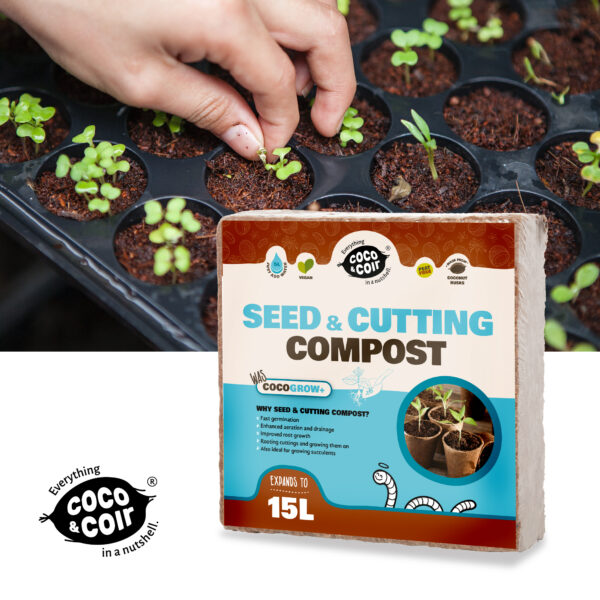
Gardening is not just about growing plants its also about making choices that benefit the environment. One of the most important choices any gardener can make today is switching topeat free compost. This alternative to traditional peat-based compost is gaining popularity for good reason: its sustainable, effective, and environmentally responsible.
What Does Peat Free Mean?
Peat free compost simply means it contains no peat. Peat is a type of organic matter formed in wetlands over thousands of years. While it's long been used in gardening for its water retention and aeration properties, harvesting peat harms the environment. Thats where peat free compost comes in it uses renewable, recycled materials instead.
Why Is Peat a Problem?
Peat bogs are essential carbon sinks, storing more carbon than forests. Removing peat:
-
Releases large amounts of CO?
-
Destroys unique ecosystems
-
Causes long-term ecological damage
Peat takes centuries to form, so its not a renewable resource. Using it in gardening contributes to climate change and habitat loss.
The Rise of Peat Free Gardening
As more people become aware of environmental issues, the demand for peat free alternatives has surged. Many garden centres are now prioritizing sustainable products, and legislation in some countries is even pushing toward banning peat in gardening products.
What Is Peat Free Compost Made Of?
Peat free composts are typically made from materials like:
-
Coconut coir (a natural by-product of coconut processing)
-
Green waste (collected garden and food waste)
-
Wood fibres
-
Composted bark
-
Composted paper or cardboard
These materials provide a rich base for healthy plant growth and are sourced sustainably.
Advantages of Using Peat Free Compost
1. Eco-Friendly Gardening
Using peat free compost helps conserve peatlands, which are vital to combating climate change.
2. Improves Soil Structure
It often includes materials that break down slowly and enhance soil texture and drainage.
3. Supports Biodiversity
By protecting peat bogs, you help preserve habitats for wildlife and rare plant species.
4. Reduces Waste
Many peat free composts make use of recycled organic materials, reducing landfill waste.
Is Peat Free Compost Right for Your Garden?
Absolutely. Peat free compost can be used for a wide range of gardening tasks:
-
Potting indoor and outdoor plants
-
Growing vegetables in containers
-
Improving soil in garden beds
-
Top dressing lawns and borders
While the texture may differ slightly from peat-based compost, it performs just as well often even better once you get used to it.
Tips for Using Peat Free Compost Successfully
To make the most of your peat free compost, consider these simple tips:
-
Choose a reputable brand with quality control and clear labeling.
-
Water wisely some mixes retain more moisture, so adjust accordingly.
-
Feed plants as needed, especially for nutrient-demanding vegetables and flowers.
-
Mix with soil or grit for improved drainage if needed.
Can You Make Your Own Peat Free Compost?
Yes, home composting is naturally peat free and highly effective. Combine materials like:
-
Vegetable peelings
-
Grass clippings
-
Shredded paper
-
Coffee grounds
-
Eggshells
-
Leaves and garden trimmings
With regular turning and the right balance of green (nitrogen-rich) and brown (carbon-rich) materials, your compost pile will be full of nutrients for your garden.
Things to Watch Out For
While peat free composts have many benefits, keep in mind:
-
Some cheaper blends may lack nutrients or contain poorly composted material.
-
Texture may vary from one brand to another, so experimentation might be necessary.
-
Not all plants respond the same test with a few varieties before fully committing for specialized crops.
Sustainable Gardening Starts with Smart Choices
Using peat free compost is one of the easiest and most effective ways to garden more sustainably. Pair it with other eco-friendly practices like:
-
Collecting rainwater
-
Using natural pest control
-
Planting native species
-
Avoiding single-use plastics in your garden
Together, these small changes make a big difference.
Conclusion
Switching to peat free compost is more than a gardening trend its a commitment to protecting the planet while growing healthy, vibrant plants. Its a smart choice for gardeners who care about future generations, and its easier to make than ever before. With plenty of quality options on the market and growing support from the gardening community, theres never been a better time to go peat free.