


























Understanding Cannabis: History, Uses, and Modern Impact
Cannabis has long been one of the most intriguing plants in human history, with a rich background that spans centuries and cultures

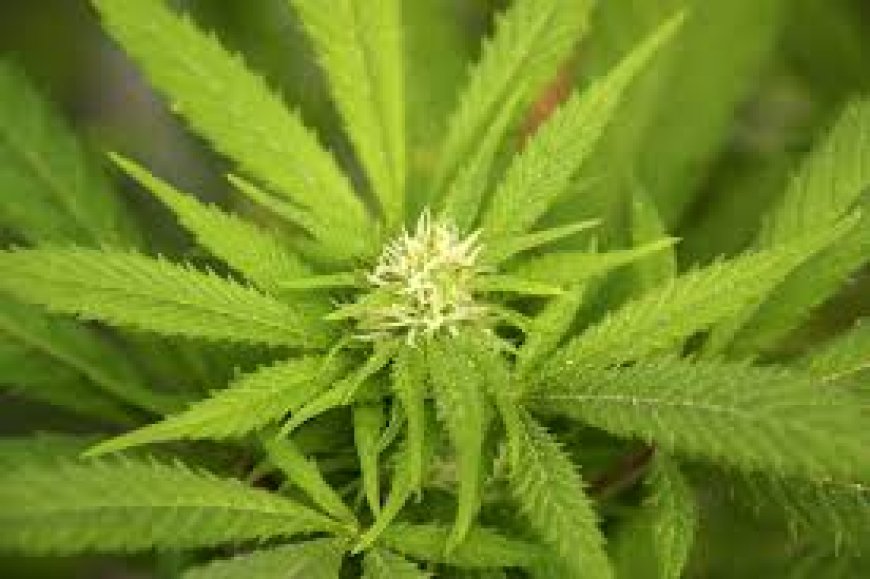
Cannabis has long been one of the most intriguing plants in human history, with a rich background that spans centuries and cultures. Today, the conversation around cannabis benefits and uses is evolving rapidly, reflecting changing laws, medical discoveries, and social acceptance. This article delves into the many facets of cannabisfrom its ancient uses to its modern-day applications and cultural significance.
The Origins and History of Cannabis
Cannabis is believed to have originated in Central Asia thousands of years ago. Early humans recognized its versatility, utilizing it for fiber, food, medicine, and ritual purposes. Ancient civilizations, including those in China and India, documented cannabis use for therapeutic and spiritual reasons.
Over the centuries, cannabis spread across continents, adapting to various climates and cultures. In many societies, it played an integral role, yet it also faced stigma and prohibition in the modern era. Understanding this history provides context for todays evolving cannabis landscape.
The Botanical Characteristics of Cannabis
Cannabis is a genus comprising several species and subspecies, with Cannabis sativa, Cannabis indica, and Cannabis ruderalis being the most recognized. Each variety has distinct characteristics affecting growth patterns, cannabinoid content, and uses.
The plant produces a variety of chemical compounds, most notably cannabinoids like THC and CBD, which interact with the human bodys endocannabinoid system. These compounds underpin cannabiss effects and therapeutic potential.
Medical Uses of Cannabis
In recent decades, scientific research has expanded knowledge of cannabiss medical benefits. Cannabis is used to manage conditions such as chronic pain, epilepsy, multiple sclerosis, and nausea from chemotherapy. Cannabinoids interact with receptors to modulate pain, inflammation, and neurological functions.
Medical cannabis programs now operate in many countries and states, allowing patients legal access under professional guidance. Ongoing research continues to uncover new applications and refine dosing and delivery methods.
Recreational and Cultural Significance
Beyond medicine, cannabis holds cultural and recreational importance worldwide. Its psychoactive properties have influenced music, art, spirituality, and social practices. As legalization spreads, recreational cannabis markets have flourished, contributing billions to economies and transforming social attitudes.
Cannabis culture embraces values like creativity, relaxation, and community, while also promoting responsible use. The plant has become a symbol for some of counterculture and alternative lifestyles.
Cannabis Legalization and Regulation
The legal status of cannabis varies widely across the globe. Some countries have fully legalized cannabis for medical and recreational use, while others maintain strict prohibition. Regulatory frameworks address cultivation, distribution, quality control, and consumption.
Legalization efforts often aim to reduce illicit markets, generate tax revenue, and improve public health outcomes. However, challenges remain, including social equity, public safety, and balancing federal and local laws.
Economic Impact of the Cannabis Industry
The cannabis industry is one of the fastest-growing sectors globally. Legal markets have created millions of jobs, from cultivation and processing to retail and technology. Investment opportunities abound, with innovative startups and established companies alike driving growth.
Cannabis tourism, wellness products, and ancillary services contribute to diverse revenue streams. Economic benefits extend to communities through taxation, infrastructure development, and social programs funded by cannabis revenues.
Environmental Considerations
Cannabis cultivation has environmental impacts that require attention. Indoor grows consume significant energy and water, while outdoor cultivation can affect land use and biodiversity. Sustainable practices such as organic farming, water recycling, and energy-efficient technologies are gaining traction.
The industrys commitment to environmental responsibility is growing, recognizing the importance of balancing growth with ecological stewardship.
The Future of Cannabis
The future of cannabis is poised for innovation and integration across sectors. Advances in biotechnology, personalized medicine, and product development will shape how cannabis is consumed and perceived.
Social acceptance is increasing, and policy reforms continue to expand access. Education and research will play key roles in maximizing benefits while minimizing risks.
Consumers can expect more sophisticated products, greater transparency, and enhanced experiences as cannabis becomes a normalized part of health and lifestyle.
For those seeking trusted information and quality products Click here to explore
Conclusion
Cannabis is a complex, multifaceted plant with profound historical roots and a dynamic future. From ancient remedies to modern medicine and cultural expression, cannabis continues to influence society on many levels.
As laws evolve and knowledge deepens, cannabis holds promise as a source of wellness, economic opportunity, and social change. Whether for medical use, recreation, or cultural connection, understanding cannabis helps us appreciate its significance in the contemporary world.