
























Tree Pruning: The Ultimate Guide to Healthier, Safer, and More Beautiful Trees
Tree pruning isn’t just about keeping things tidy—it’s a vital part of tree health and safety. Whether you’re shaping a sapling or taming an old oak, pruning helps trees thrive and keeps your yard safe and stunning.
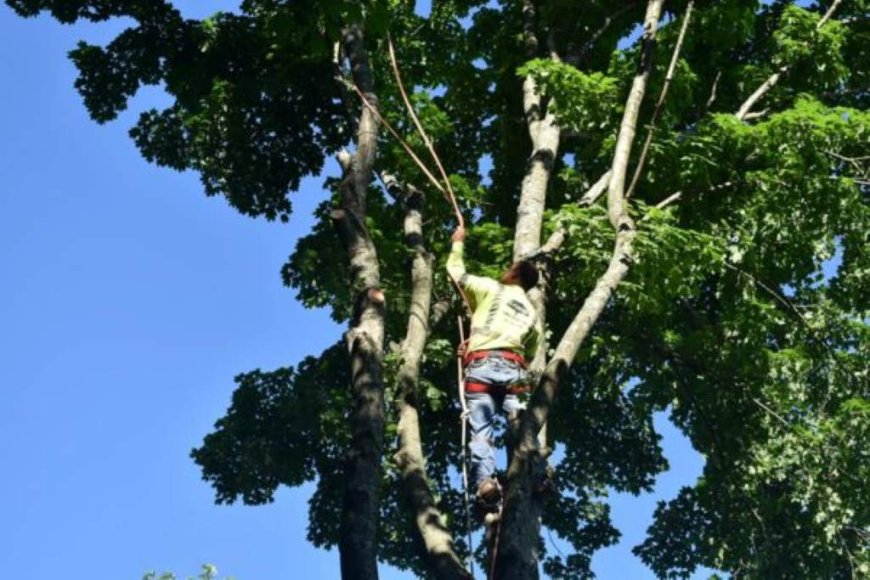
Ever wonder why some trees in your neighborhood look lush, vibrant, and perfectly shaped, while others are wild and drooping? The secret is tree pruning.
Tree pruning isnt just about making your yard look neatits a critical part of maintaining the health and safety of your trees. Done right, it helps your trees grow stronger, live longer, and avoid becoming a hazard during storms.
In this guide, well explore what pruning is, why it matters, how to do it, and when to call in the pros. Lets get into it!
?? What is Tree Pruning?
Tree pruning is the selective removal of specific parts of a treelike branches, buds, or rootsto improve its structure, health, and appearance.
Unlike tree trimming (which is more about looks), pruning is about health, safety, and long-term growth.
? Why is Tree Pruning Important?
1. Promotes Healthy Growth
By cutting away dead or diseased limbs, the tree can redirect its energy to new, healthy growth.
2. Enhances Safety
Pruning reduces the risk of falling branches that could injure people, pets, or property.
3. Improves Tree Structure
Pruning helps shape young trees, encouraging strong, balanced branch growth.
4. Boosts Curb Appeal
A well-pruned tree looks polished and makes your entire yard feel cleaner and more inviting.
5. Prevents Disease Spread
Removing infected limbs stops diseases from spreading to other parts of the treeor even other trees.
? Tree Pruning vs. Tree Trimming: What's the Difference?
While often used interchangeably, theyre not quite the same:
| Feature | Tree Pruning | Tree Trimming |
|---|---|---|
| Purpose | Health, structure, safety | Appearance, size control |
| Timing | Based on tree species and season | Often done yearly |
| Tools Used | Pruners, saws, loppers | Shears, clippers |
| Frequency | As needed for health | More regular for aesthetics |
? Tools Youll Need for Pruning
-
Hand Pruners For small branches up to 1/2 inch thick.
-
Loppers For branches up to 2 inches thick.
-
Pruning Saws For thicker limbs.
-
Pole Pruners For hard-to-reach branches.
-
Safety Gear Gloves, goggles, and helmets if working high.
Always make sure your tools are sharp and clean to avoid damaging the tree or spreading disease.
? When is the Best Time to Prune Trees?
1. Late Winter/Early Spring (Dormant Season)
-
Ideal for most trees.
-
Promotes strong spring growth.
-
Reduces risk of disease.
2. Summer
-
Good for slowing unwanted growth.
-
Helps identify and remove weak branches.
3. Fall
-
Generally not recommended.
-
Trees are preparing for dormancy and may not heal well.
Always consider your tree species and local climate before pruning.
? Types of Tree Pruning Techniques
1. Thinning
Removes overcrowded branches to improve air circulation and light penetration.
2. Raising
Removes lower branches to provide clearance (great for walkways or driveways).
3. Reduction
Reduces tree height or spread to avoid power lines or buildings.
4. Cleaning
Removes dead, dying, or diseased branches.
5. Structural Pruning
Guides young trees into a strong form that will reduce future risks.
? What Not to Do When Pruning Trees
-
Dont top your trees. Cutting the top off trees can cause long-term damage and weak regrowth.
-
Avoid over-pruning. Removing more than 25% of a trees crown can stress or kill it.
-
Never prune without a purpose. Random cutting can lead to poor structure and wounds.
-
Dont prune in wet conditions. This increases the risk of spreading disease.
? Pruning Young Trees vs. Mature Trees
Young Trees
-
Focus on shaping.
-
Encourage strong central leaders.
-
Prevent future structural issues.
Mature Trees
-
Focus on maintaining health.
-
Remove dead or hazardous limbs.
-
Avoid drastic changes unless absolutely necessary.
? When Should You Call a Professional Arborist?
Hire an expert if:
-
Branches are close to power lines.
-
The tree is too tall to reach safely.
-
Youre unsure how much to remove.
-
You see signs of disease or decay.
Professional tree pruning services ensure the job is done safely and properlywithout hurting the tree or yourself.
? Cost of Tree Pruning Services
On average, pruning services cost between $150 to $1,000, depending on:
-
Tree size and height
-
Type of tree
-
Accessibility
-
Urgency
-
Location
Smaller trees cost less, while large or hazardous trees will require more equipment and time.
? How Often Should You Prune Your Trees?
-
Young Trees: Every 23 years to guide growth
-
Mature Trees: Every 35 years, or as needed
-
Fruit Trees: Annually, to encourage fruit production
-
Evergreens: Rarely, unless for shaping or dead limb removal
? Benefits of Regular Tree Pruning
-
Increased sunlight and airflow
-
Improved fruit and flower production
-
Reduced risk of pest infestations
-
Better storm resistance
-
Long-term cost savings on repairs or removals
Think of it like going to the doctor. A little maintenance now prevents big problems later.
? DIY vs. Professional Tree Pruning
| Criteria | DIY | Professional |
|---|---|---|
| Cost | Lower | Higher |
| Safety | Riskier | Safer |
| Equipment | Basic | Advanced |
| Quality | Varies | Expert |
| Suitable For | Small jobs | Large or risky trees |
If youre not confidentor if the job looks dangerousits best to leave it to the pros.
? Tree Pruning Tips for Homeowners
-
Prune on a dry day to prevent spreading diseases.
-
Always cut at the branch collar (where the branch joins the trunk).
-
Angle cuts downward to shed water.
-
Step back often to review your progress.
-
Less is more. Start small; you can always cut more later.
? Conclusion
Tree pruning isnt just about keeping things tidyits a vital part of tree health and safety. Whether youre shaping a sapling or taming an old oak, pruning helps trees thrive and keeps your yard safe and stunning.
If youve never pruned a tree before, dont worry. Start small, learn as you go, and call in the pros when you need a hand. Your treesand your propertywill thank you for it.
? FAQs About Tree Pruning
1. Can pruning kill a tree?
Yes, if done incorrectly. Over-pruning or poor cuts can stress or damage a tree permanently.
2. How do I know if a branch should be pruned?
Look for dead, diseased, crossing, or weak branches. These are prime candidates for removal.
3. Whats the best season for pruning fruit trees?
Late winter or early springjust before new growth begins.
4. Should I seal pruning cuts with paint?
No. Most arborists recommend leaving cuts unsealed so they can heal naturally.
5. Can pruning help with storm damage prevention?
Absolutely. Removing weak or overextended branches reduces the chance of breakage in high winds.