

























Tree Pruning: The Secret to Healthier, Stronger, and Better-Looking Trees
Tree pruning is part science, part art—and all about giving your trees the care they deserve. Whether you're trying to boost blooms, protect your home, or simply keep your yard tidy, a good pruning strategy goes a long way. Done right, it’ll pay you back in beauty, safety, and tree health for years to come.
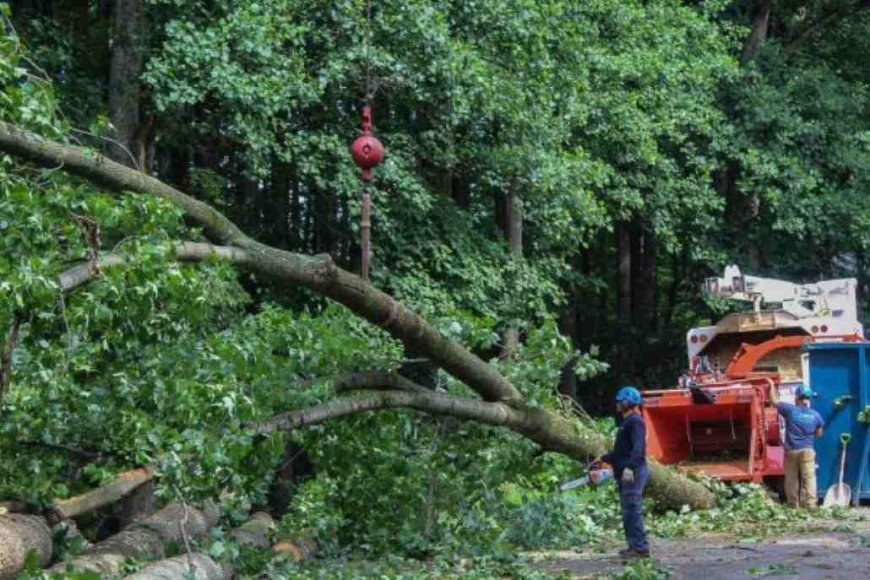
Tree pruning might not sound exciting, but its one of the best things you can do for your yard. Think of it as a haircut for your treeit keeps things tidy, healthy, and attractive. Whether you're aiming for more flowers, stronger branches, or better shade, pruning is your go-to move.
Why Tree Pruning Matters
Trees dont groom themselves. Without proper care, they can become overgrown, diseased, or even dangerous. Pruning helps shape growth, remove problems, and create space for healthy new branches to thrive.
Misconceptions About Pruning
Some people think pruning harms trees or that its just for aesthetics. Truth is, when done correctly, its essential for long-term health, safety, and beauty.
What is Tree Pruning?
Tree pruning involves selectively cutting branches to improve a trees health, shape, and structural integrity.
Pruning vs Trimming: What's the Difference?
-
Pruning is done for health and structure
-
Trimming is typically for looks and neatness (think hedges)
Benefits of Tree Pruning
Encourages Healthy Growth
Pruning removes dead or diseased limbs so the tree can channel its energy into stronger, healthier areas.
Prevents Disease and Infestation
Regular pruning reduces the risk of fungus, insects, and disease spreading through branches.
Improves Appearance and Shape
Want a more balanced tree canopy? Pruning sculpts the tree into a more attractive, proportional form.
Boosts Fruit and Flower Production
Prune at the right time and you'll see better harvests and more bloomsnatures thank-you gift.
Increases Property Safety
Pruning removes weak branches that could fall during storms and damage property or injure someone.
Best Time to Prune Trees
Seasonal Pruning Guide
-
Winter (dormant season): Ideal for most trees
-
Spring: Best for flowering trees after bloom
-
Summer: Light pruning and correction
-
Fall: Avoid unless absolutely necessary
Species-Specific Considerations
Always research your tree species. For example, maple trees bleed sap if pruned in spring but tolerate winter cuts well.
Types of Tree Pruning
Crown Thinning
Selective removal of small branches throughout the canopy to allow more light and reduce wind resistance.
Crown Raising
Removes lower branches to clear pathways or improve views.
Crown Reduction
Shortens the height or spread of a treeused when trees grow too close to structures or utilities.
Deadwooding
Removing dead or dying limbs that may break off and pose a risk.
Structural Pruning
Improves the strength and form of young trees, guiding them into a long-lasting, safe shape.
How to Prune Trees Properly
Tools You'll Need
-
Hand pruners (for small branches)
-
Loppers (for thicker limbs)
-
Pruning saw
-
Safety gear (gloves, helmet, goggles)
Step-by-Step Guide for Small Trees
-
Start with dead or diseased branches
-
Remove crossing or rubbing branches
-
Thin out crowded areas
-
Shape graduallydont over-prune
Common Pruning Mistakes to Avoid
-
Topping trees (cutting the top off)
-
Leaving stubs instead of clean cuts
-
Over-pruning in one season
Tree Pruning Safety Tips
Know Your Limits
If the branch is too high or too thick, dont risk it. Call a pro.
Working Near Power Lines
Never prune trees near power lines on your ownits dangerous and usually illegal without certification.
Ladder and Tool Safety
Use a stable ladder and keep tools sharp and clean. Dull blades cause more damage.
Professional Pruning Services
When to Hire an Arborist
Hire an ISA-certified arborist if:
-
The tree is large
-
It's near power lines
-
It has structural damage
-
Youre unsure where to cut
What to Expect During the Visit
An arborist will inspect the tree, identify areas of concern, prune accordingly, and clean up afterward.
Average Cost of Tree Pruning
-
Small trees: $100$300
-
Medium trees: $300$600
-
Large trees: $600$1,200+
Tree Pruning and Landscape Aesthetics
Creating a Balanced Yard
Pruning ensures every tree complements your landscape instead of overpowering it.
Pruning for Views and Sunlight
Strategic cuts can open sightlines, let in more natural light, and reduce shading over your garden.
Pruning for Fruit Trees and Flowering Trees
When and How to Prune Fruit Trees
Late winter or early spring is best. Thin out crowded branches to improve air flow and sunlight.
Boosting Blooms on Flowering Trees
Prune after flowering to avoid cutting off next seasons buds. Remove old flower wood to encourage fresh growth.
Environmental Impact of Pruning
Supporting Urban Forestry
Well-pruned trees live longer and resist environmental stress betterimportant in cities and towns.
Sustainable Pruning Practices
Use natural healing methods, avoid over-pruning, and mulch branches for reuse instead of sending them to landfills.
Conclusion
Tree pruning is part science, part artand all about giving your trees the care they deserve. Whether you're trying to boost blooms, protect your home, or simply keep your yard tidy, a good pruning strategy goes a long way. Done right, itll pay you back in beauty, safety, and tree health for years to come.
FAQs
Q1: How often should I prune my trees?
A: Once every 13 years is ideal, depending on the tree type and growth rate.
Q2: Can pruning hurt a tree?
A: Over-pruning or bad technique can harm trees. Always use clean tools and dont remove more than 25% of the canopy at once.
Q3: Whats the best season for pruning?
A: Winter is best for most trees, but flowering trees should be pruned right after they bloom.
Q4: Should I seal tree cuts?
A: In most cases, no. Trees heal naturally. Wound sealants can trap moisture and promote decay.
Q5: How do I know if I should prune or remove a tree?
A: If the tree is mostly healthy but messyprune it. If its dead, dying, or dangerousconsider removal.