

























Tree Pruning: The Art and Science of Healthier, Happier Trees
Tree pruning isn’t just yard work—it’s a crucial part of keeping your trees strong, healthy, and safe. With the right tools, timing, and techniques, pruning promotes vibrant growth, prevents disease, and improves your property’s look.
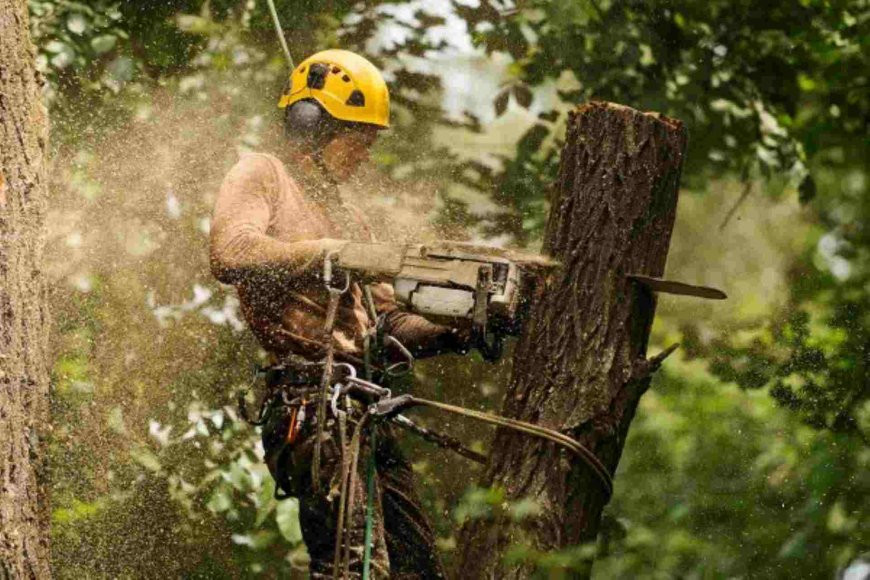
You might think trees can take care of themselvesbut thats not always true. Just like your hair needs trimming to stay neat and healthy, trees need pruning to grow strong, look beautiful, and stay safe.
In this complete guide to tree pruning, well walk you through what it is, why it matters, how it's done, and the best times to prune for maximum tree health and growth.
?? What is Tree Pruning?
Tree pruning is the process of selectively removing branches from a tree to improve its structure, shape, health, and safety. Its not just about cutting randomlyit's about making thoughtful cuts that encourage strong growth and reduce risk.
? Benefits of Tree Pruning
Why bother pruning at all? Lets break it down:
? 1. Healthier Trees
Pruning removes diseased, damaged, or dead brancheshelping prevent rot and insect infestations.
? 2. Better Growth
Strategic cuts guide the trees energy toward healthy limbs and fruit/flower production.
? 3. Safety First
Eliminating overhanging or cracked branches reduces the risk of falling limbs that could damage property or hurt someone.
? 4. More Sunlight
Thinning allows sunlight to reach lower branches and surrounding plants.
? 5. Improved Appearance
Neat, well-shaped trees boost your yards curb appeal and overall aesthetic.
? Types of Tree Pruning
Different goals call for different techniques:
1. Cleaning
Removes dead, dying, or diseased branches. Think of it as giving your tree a fresh start.
2. Thinning
Selective branch removal to increase light penetration and airflow within the crown.
3. Raising
Cuts off lower branches to clear space for buildings, signs, or walkways.
4. Reduction
Reduces the overall size or spread of the tree. Often used to prevent interference with power lines or roofs.
5. Structural Pruning
Used on young trees to encourage a strong, stable shape for future growth.
? Best Time of Year to Prune Trees
? Late Winter to Early Spring
Best for most tree species. Trees are dormant, making it easier to see the branch structure, and wounds heal quickly as growth begins.
? Summer
Good for slowing growth or removing "water sprouts" and suckers. Also useful for minor shaping.
? Fall
Avoid heavy pruning in fall. Trees are preparing for dormancy, and cuts heal slower.
? Flowering Trees
-
Spring bloomers: Prune after flowering.
-
Summer bloomers: Prune in late winter or early spring.
? Signs Your Tree Needs Pruning
-
Dead, broken, or hanging branches
-
Branches rubbing against each other
-
Excessive shade or poor airflow through the canopy
-
Interference with power lines or buildings
-
Overgrown or misshapen appearance
? Tree Pruning Safety Tips
Pruning can be dangerous, especially for large trees or when using power tools. Follow these safety tips:
-
Wear gloves, goggles, and a hard hat
-
Never prune near power linescall a professional
-
Use sharp, clean tools to avoid tearing bark
-
Dont remove more than 25% of a trees canopy at once
?? Tools Used in Tree Pruning
-
Hand pruners: For small branches
-
Loppers: For thicker limbs up to 2 inches
-
Pruning saws: Ideal for medium branches
-
Pole pruners: Reach high branches from the ground
-
Chainsaw: Only for large limbs (use with caution or hire a pro)
? DIY vs. Professional Tree Pruning
DIY Pruning:
-
Great for small trees or basic maintenance
-
Cost-effective if you have the tools and knowledge
Professional Pruning:
-
Essential for large, mature trees or risky jobs
-
Certified arborists know how to make proper cuts for tree health
-
Insured in case of property damage or injury
? Pruning Young Trees vs. Mature Trees
Young Trees (Training Pruning):
-
Establish strong structure early
-
Prevent future problems
-
Requires light, careful cuts
Mature Trees (Maintenance Pruning):
-
Focus on health, safety, and aesthetics
-
Avoid major cuts unless necessary
-
More riskbest left to professionals
? Common Tree Pruning Mistakes to Avoid
-
Topping the tree: Cutting the top off destroys natural shape and weakens the tree.
-
Over-pruning: Removing too much canopy at once stresses the tree.
-
Flush cuts: Cutting too close to the trunk damages healing tissue.
-
Wrong timing: Pruning at the wrong time can reduce blooms or spread disease.
? How Often Should Trees Be Pruned?
It depends on the species and environment, but here are general guidelines:
-
Young trees: Every 12 years for training
-
Mature trees: Every 35 years for maintenance
-
Fruit trees: Annually to boost productivity
-
Fast-growing trees: More frequent pruning may be needed
?? Hiring a Tree Pruning Professional
Look for:
-
ISA Certified Arborists
-
Experience with your tree species
-
Proof of insurance and references
-
Detailed written estimates
Ask about:
-
What pruning methods they use
-
How cleanup is handled
-
Whether follow-up care is included
? Conclusion
Tree pruning isnt just yard workits a crucial part of keeping your trees strong, healthy, and safe. With the right tools, timing, and techniques, pruning promotes vibrant growth, prevents disease, and improves your propertys look.
Whether youre tackling a few low branches yourself or calling in the pros for a big job, regular tree pruning is one of the best things you can do for your landscape.
? FAQs About Tree Pruning
1. Can I prune a tree myself?
Yes, for small or young treesbut be cautious and use the right tools. Leave large trees to the pros.
2. How much does tree pruning cost?
Anywhere from $100 to $1,000+, depending on tree size, location, and amount of work needed.
3. Is pruning the same as trimming?
Theyre often used interchangeably, but pruning focuses more on tree health, while trimming is usually about appearance.
4. Will pruning hurt my tree?
Not if done correctly! Proper cuts at the right time of year actually help trees stay healthy and strong.
5. How do I know if a branch should be removed?
If it's dead, diseased, rubbing, or growing in a weird directioncut it. When in doubt, ask an arborist.