

























Tree Pruning: A Complete Guide to Healthier, Happier Trees
Tree pruning is essential for both the health and beauty of your trees. Whether you're trimming a few branches yourself or hiring a professional, proper pruning can extend the life of your trees, reduce safety risks, and boost your home’s overall curb appeal. Done thoughtfully, it’s one of the best investments you can make in your landscape.
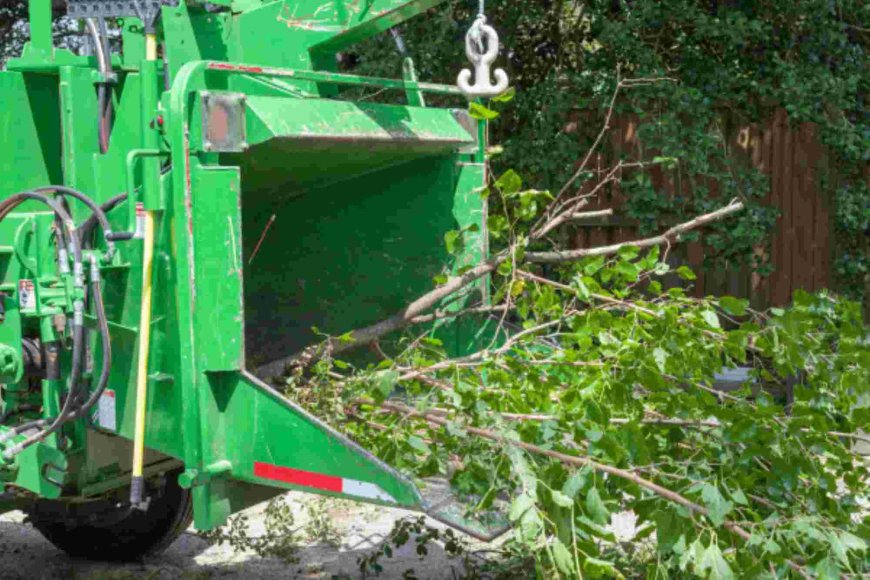
Tree pruning is more than just a landscaping choreits a vital practice for keeping your trees healthy, safe, and beautiful. Whether youre dealing with overgrown branches or simply want a more polished yard, pruning can work wonders.
? What is Tree Pruning?
Tree pruning is the selective removal of branches to shape the tree, eliminate hazards, and promote healthy growth. It's an art and a science, balancing aesthetics with biology.
?? Why Tree Pruning Matters
Pruning isnt just about looks. Done right, it improves tree structure, reduces risk, prevents disease, and even increases fruit production for certain trees. A little snip can go a long way!
? Benefits of Tree Pruning
? Encourages Healthy Growth
By removing dead or weak branches, pruning lets the tree focus energy on strong, healthy limbs. Think of it like decluttering your closetwhats left thrives.
? Improves Tree Appearance
Shaping your tree boosts curb appeal and keeps it proportional to your space. A well-pruned tree is a thing of beauty!
? Prevents Diseases and Pests
Deadwood attracts bugs and fungi. Cutting it away stops diseases before they spread to healthy parts of the treeor nearby plants.
? Enhances Safety
Overhanging limbs can fall on cars, roofs, or people. Pruning eliminates these hazards before they become real problems.
?? Types of Tree Pruning
? Thinning
Selective removal of branches to increase light and airflow through the canopy. Great for dense, leafy trees.
? Topping
Cuts the top of the tree to reduce heightbut beware! Topping is risky and can harm tree health if not done properly.
?? Raising
Removes lower branches to clear space for buildings, pedestrians, or vehicles beneath the tree.
? Reduction
Reduces the size of the tree while preserving its shape. Useful when trees grow too close to structures or power lines.
? Cleaning
Involves removing dead, diseased, or broken limbs. The most basic and essential pruning method.
? When to Prune Trees
? Best Seasons for Pruning
-
Winter (Dormant Season): Ideal for most trees. Promotes strong spring growth.
-
Summer: Good for corrective pruning or slowing down growth.
-
Spring/Fall: Avoid heavy pruning, especially during bud growth or leaf fall.
? Signs Your Tree Needs Pruning
-
Dead or broken branches
-
Branches rubbing or crossing
-
Excessive shade beneath the tree
-
Misshapen or lopsided growth
? Tools for Tree Pruning
? Basic Pruning Tools
-
Hand pruners for small branches
-
Loppers for medium branches
-
Pruning saws for thick limbs
? Safety Gear
-
Gloves
-
Helmet (for large trees)
-
Safety glasses
-
Harnesses for climbing
?? Maintenance of Tools
Keep blades sharp and clean to ensure clean cuts and avoid spreading disease.
? Tree Pruning Techniques
?? Proper Cutting Methods
Always cut just outside the branch collar (the swollen area where the branch meets the trunk) to help the tree heal naturally.
? Where to Cut
-
Remove branches growing inward or downward
-
Focus on limbs that cross or rub
-
Eliminate weak branch unions
? How Much to Remove
Never remove more than 25% of a trees canopy in one season. Over-pruning stresses the tree and may lead to decline.
? DIY Tree Pruning
? Small Tree Pruning Tips
If your tree is young or under 10 feet tall, you can probably handle it yourself with the right tools and knowledge.
?? Safety First!
Use ladders with caution, wear protective gear, and never attempt to prune near power lines.
? When NOT to DIY
-
Large or tall trees
-
Near electrical wires
-
If youre unsure about tree health or structure
??? Professional Tree Pruning Services
? Why Hire a Pro?
Certified arborists have the knowledge, equipment, and experience to prune safely and properly, especially for large or valuable trees.
? What to Expect
-
On-site inspection
-
Discussion of goals (safety, aesthetics, health)
-
Clean-up included after the job
? How to Choose a Qualified Arborist
-
Look for ISA certification
-
Read reviews and testimonials
-
Ask for proof of insurance
? Mistakes to Avoid
? Over-Pruning
Removing too much foliage weakens the tree and exposes it to disease and sun damage.
? Cutting Too Close
Dont cut into the trunk or remove the branch collar. This delays healing and invites infection.
? Ignoring Infected Branches
Dead or diseased limbs must be removed promptly to protect the rest of the tree and nearby plants.
? Tree Pruning and Tree Health
? Boosting Long-Term Tree Health
Regular pruning supports stronger structure and helps prevent splitting or falling limbs as the tree matures.
? Healing After Pruning
Trees seal off wounds naturallydont paint over cuts. Just keep the tree healthy with water and mulch.
? Monitoring Progress
Check for signs of recovery: new growth, callus formation around cuts, and no signs of pests or disease.
? Legal and Environmental Considerations
? Pruning Protected Trees
Some trees are protected by local ordinances. Always check with your city before pruning older or native trees.
?? Local Tree Ordinances
You might need a permit if the tree is near property lines, sidewalks, or in conservation zones.
? Conclusion
Tree pruning is essential for both the health and beauty of your trees. Whether you're trimming a few branches yourself or hiring a professional, proper pruning can extend the life of your trees, reduce safety risks, and boost your homes overall curb appeal. Done thoughtfully, its one of the best investments you can make in your landscape.
? FAQs
1. How often should I prune my trees?
Most trees benefit from pruning every 23 years, though fast-growing or fruit trees may need more frequent attention.
2. Can pruning kill a tree?
Yesif done incorrectly or excessively. Avoid over-pruning or cutting large limbs without proper care.
3. Whats the difference between pruning and trimming?
Trimming is generally for aesthetics; pruning is focused on tree health, structure, and safety.
4. Is there a wrong time to prune?
Yes. Avoid heavy pruning in spring (bud burst) or fall (leaf drop), as the tree is more vulnerable during these transitions.
5. Do all trees need pruning?
Most trees benefit from occasional pruning, but some species (like evergreens) require less frequent maintenance.