






















Top 5 Natural Remedies to Relieve Muscle Tightness at Home
Ease muscle tightness at home with natural remedies like stretching, massage, and heat. Learn how baclofen tablets may help when stiffness won’t go away.

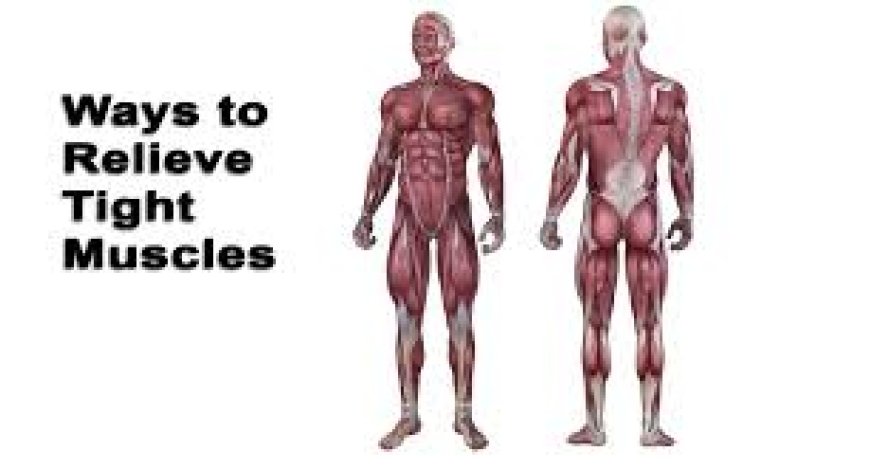
Muscle tightness can happen to anyone. Whether you're sitting at a desk in Manhattan all day, standing long hours in retail, or recovering from an injurytight muscles can slow you down.
In New York, where life moves fast, muscle tightness can make your daily routine harder. It might be caused by stress, overuse, a medical condition like multiple sclerosis, or even poor sleep. While prescription medications like the baclofen tablet from companies like INTAS are helpful in many cases, some people want to try natural options firstor use them alongside medication for better results.
This blog shares five simple, natural ways to ease muscle tightness at home using safe, affordable techniques.
1. Stretching Simple and Effective
Stretching is one of the most important and low-cost ways to relieve muscle tightness. When your muscles are tight, they shorten and can pull on joints, causing pain and poor posture.
How it Helps:
-
Improves blood flow to stiff muscles
-
Loosens tight fibers
-
Helps prevent further muscle injuries
-
Reduces stress on the body
How to Do It:
-
Start your day with 510 minutes of light stretching
-
Focus on tight areas like your neck, shoulders, lower back, or hamstrings
-
Use a wall, chair, or yoga strap for support
-
Avoid bouncinghold each stretch for at least 2030 seconds
For New Yorkers:
If you're stuck at a desk, set reminders to stretch your legs, arms, and neck every hour. Even simple stretches can reduce end-of-day tightness.
2. Heat Therapy Relax Tight Muscles
Applying heat helps muscles relax. It increases blood circulation and reduces stiffness. Its a great method for both everyday muscle tightness and conditions like spasticity seen in multiple sclerosis.
Benefits:
-
Helps muscles relax and lengthen
-
Lowers pain sensitivity
-
Improves flexibility before physical activity
How to Use It:
-
Use a heating pad or hot water bottle for 1520 minutes at a time
-
Try a warm bath with Epsom salts (rich in magnesium, which helps ease tightness)
-
Use heat before stretching or exercise for better results
For New Yorkers:
A hot shower after a cold commute or long subway ride can quickly ease tight shoulders or stiff lower back muscles.
3. Massage Hands-On Relief
Massage is more than a luxuryits a science-backed way to ease muscle tightness and improve circulation. You can visit a licensed massage therapist or try self-massage at home.
How Massage Helps:
-
Breaks down tight muscle knots
-
Increases blood flow
-
Relieves muscle pressure
-
Helps the body relax overall
At-Home Techniques:
-
Use your hands or a foam roller to gently press and roll over tight areas
-
Try a massage ball for deeper areas like glutes or shoulders
-
Roll slowlydont rush the process
For New Yorkers:
Cant book a massage therapist in the city? Buy a simple massage tool online and keep it at home or at your office chair.
4. Hydration and Nutrition Fuel for Loose Muscles
Tight muscles may also be a sign that your body is lacking water or essential nutrients. Dehydration, low magnesium, or poor diet can all lead to muscle cramps and tightness.
Key Nutrients:
-
Magnesium: Helps with muscle function and relaxation
-
Potassium and Calcium: Prevent spasms and stiffness
-
Water: Keeps muscles hydrated and flexible
What to Eat and Drink:
-
Eat leafy greens, bananas, avocados, and nuts
-
Drink 810 glasses of water daily, especially after exercise
-
Cut back on caffeine and alcohol, which can dehydrate the body
For New Yorkers:
Skip the sugary drinks and grab a banana or trail mix with almonds while commuting. Carry a refillable water bottle with you.
5. Gentle Movement and Low-Impact Exercise
It might seem strange, but gentle movement helps ease muscle tightness. When you sit or lie still too long, muscles get stiff. Simple, low-impact exercises can wake up your muscles and keep them loose.
Helpful Activities:
-
Walking
-
Yoga or Tai Chi
-
Swimming
-
Light biking
-
Chair exercises for seniors or limited mobility
Pro Tip:
Aim for 2030 minutes of movement at least 34 times a week. Focus on fluid, slow movements and controlled breathing.
For New Yorkers:
Walk a few extra blocks instead of taking the train one stop. Or try a short yoga video before bed to undo the days tightness.
When Natural Remedies Arent Enough: Consider Baclofen Tablet
While these home remedies help many people, sometimes muscle tightness is linked to deeper issueslike neurological disorders (e.g., multiple sclerosis, spinal cord injuries, or stroke). In these cases, your doctor may recommend a baclofen tablet to treat muscle stiffness more effectively.
What is Baclofen?
-
A prescription muscle relaxant
-
Works by acting on the spinal cord to reduce muscle spasms
-
Especially useful in long-term muscle tightness conditions
-
Available in generic form and through trusted manufacturers like INTAS
Benefits of Baclofen:
-
Reduces painful muscle stiffness
-
Improves ability to move
-
Helps with sleep when spasms interrupt rest
-
Can be used alongside physical therapy and stretching
Important Note:
Always talk to your doctor before starting baclofen. It must be taken in the right dose and may have side effects like drowsiness or weakness. It's usually introduced slowly and adjusted based on how your body responds.
Final Thoughts
Muscle tightness doesnt have to control your life. Whether you're dealing with daily tension from work or a long-term condition, these natural remedies can help bring reliefsafely and affordably.
If youre in New York, small changes like stretching during your commute, walking an extra block, or sipping water throughout the day can make a big difference. When natural methods arent enough, dont hesitate to ask your doctor about prescription options like the baclofen tabletespecially from trusted brands like INTAS.
Your muscles need caregive them what they need to keep moving comfortably.

![[2025 Guide] Best Physiotherapists in Lancashire – Free Tips Inside](https://www.thetulsatimes.com/uploads/images/202507/image_430x256_6877591055c20.jpg)