
























The Future of Office Cubicles: Smart Design for a Productive Workspace
Choosing the right configuration and investing in quality design will help ensure that your workspace remains both functional and future-ready.

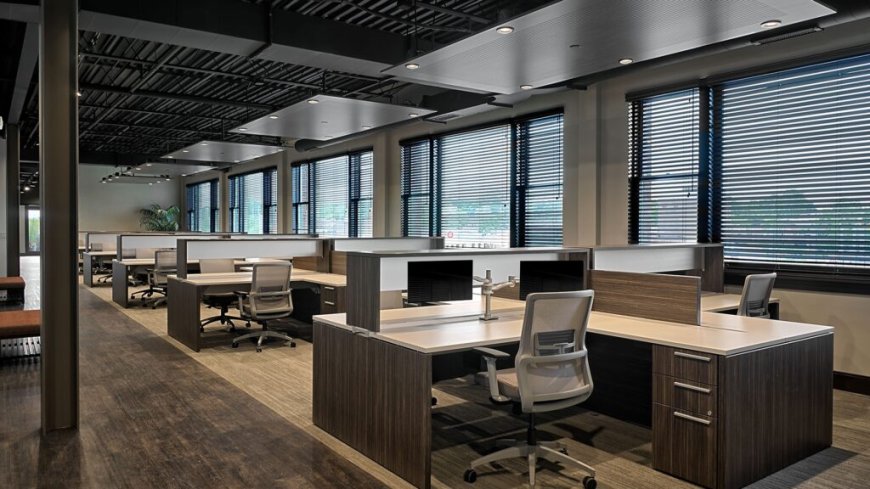
The traditional workplace is experiencing a major transformation, but one element that continues to adapt and thrive is the office cubicles. Once criticized for being dull and isolating, todays cubicles are evolving into modern, intelligent workstations that support productivity, privacy, and collaboration. If you're planning a workspace update, understanding the role of cubicles in a modern office is essential.This blog explores how smart design is redefining office cubicles, their key benefits, and what to consider when implementing them in your business environment.
Why Office Cubicles Still Matter
Despite the popularity of open-plan offices, office cubicles remain a staple in many companies. They provide essential structure while offering employees their own dedicated workspaces. The benefits of using cubicles include:
-
Improved concentration
-
Noise reduction
-
Enhanced organization
-
Efficient use of floor space
-
Better hygiene control in shared environments
With the rise of hybrid work and flexible scheduling, cubicles have taken on a new rolesupporting both remote and in-office workflows with tailored design elements.
What Defines a Smart Office Cubicle?
Smart office cubicles are more than partitions. They are purpose-built workstations designed to enhance focus, comfort, and technological integration. A smart cubicle may feature:
-
Built-in charging ports and cable management systems
-
Ergonomic furniture and adjustable desk heights
-
Sound-absorbing materials
-
Modular partitions for flexible configuration
-
Personal storage and digital access control
These upgrades help businesses adapt to the ever-changing needs of their workforce.
Office Cubicles vs. Open Office Plans
Open-plan offices were once considered the future of work. However, research has shown that they can lead to increased distractions and reduced productivity. In contrast, office cubicles strike a balance between openness and structure.
Open offices encourage communication but often lack privacy. Cubicles give individuals the ability to focus without isolating them entirely. As a result, many organizations are transitioning back to segmented spaces that support both deep work and collaborative efforts.
Benefits of Modern Cubicle Systems
1. Increased Productivity
Noise and visual distractions can drastically affect performance. Office cubicles help eliminate interruptions by providing semi-private spaces where employees can stay focused.
2. Health and Safety
Post-pandemic, health and hygiene have become top priorities. Cubicle walls help limit direct contact and reduce the spread of airborne germs in shared spaces.
3. Personalization
Modern cubicles support personalization. Employees can decorate their workspaces, adjust lighting, and set up ergonomic tools to suit their comfort, which can improve morale and engagement.
4. Easy Integration of Technology
Today's office cubicles accommodate laptops, monitors, docking stations, and video conferencing tools. With integrated power sources and smart design, these stations are ideal for tech-heavy tasks.
5. Scalability
As teams grow or restructure, modular cubicle systems allow for easy reconfiguration. Businesses can add or remove sections without major construction, saving both time and money.
Choosing the Right Cubicle Configuration
Selecting the best cubicle layout depends on your companys workflow and space constraints. Here are some common options:
Standard Cubicles
These provide high-walled privacy and are suitable for roles requiring concentration or phone-based tasks.
Low-Wall Cubicles
Ideal for collaborative environments, these cubicles maintain boundaries while promoting communication between colleagues.
Team Pods
A set of four to six cubicles facing each other fosters teamwork while still providing individual space.
Adjustable Workstations
Height-adjustable desks within cubicles encourage movement and accommodate employees who prefer standing desks or ergonomic flexibility.
Incorporating Cubicles into Hybrid Work Models
With hybrid work on the rise, businesses must design spaces that support flexibility. Office cubicles make this easier by providing consistent, reliable workstations for in-office employees while keeping space organized for hot-desking or part-time use.
Hybrid-friendly cubicles may include:
-
Shared workstations with lockers
-
Flexible desk assignments
-
Digital reservation systems for cubicle booking
-
Enhanced cleaning protocols between uses
These features accommodate employees who split time between home and office without disrupting workflow.
Cubicle Design Trends for 2025 and Beyond
Biophilic Integration
Natural elements like wood finishes, plants, and daylight exposure are being incorporated into cubicle design to improve employee well-being.
Color Psychology
Color influences mood. More offices are choosing cubicle panels in colors that enhance focus (blue), reduce stress (green), or boost creativity (yellow).
Sustainable Materials
Companies are investing in eco-friendly cubicle components made from recycled and low-VOC materials. This supports environmental goals while improving indoor air quality.
Smart Office Features
IoT-enabled lighting, air quality monitoring, and energy-efficient fixtures are becoming part of modern office cubicles, creating healthier, smarter environments.
Space Planning Tips for Cubicle Layouts
A well-planned cubicle layout can make or break an offices functionality. Consider the following when planning:
-
Keep pathways clear and ADA-compliant
-
Allow for a mix of private and team areas
-
Ensure cubicles are near power sources and data ports
-
Use glass panels to increase natural light flow
-
Include quiet zones away from high-traffic areas
Planning your space with employee needs in mind helps boost satisfaction and performance.
Maintaining Office Cubicles
To ensure longevity and cleanliness, office cubicles should be maintained regularly:
-
Clean partitions with appropriate materials
-
Check for wear and tear in fabrics and hardware
-
Sanitize shared components like desk surfaces and drawers
-
Rotate panels if wear appears uneven
A clean and well-kept cubicle promotes professionalism and contributes to a healthy work atmosphere.
Frequently Asked Questions
Are cubicles outdated in todays offices?
Not at all. Cubicles are evolving to meet the demands of modern work, offering technology integration, better ergonomics, and a healthier work environment.
Can cubicles improve productivity?
Yes. By reducing noise and creating semi-private workspaces, cubicles help employees stay focused and limit distractions.
What materials are best for cubicle panels?
High-quality fabric, laminate, and tempered glass are commonly used. Some panels also include acoustic foam for sound absorption.
How do cubicles support collaboration?
With adjustable wall heights, transparent sections, and clustered pod layouts, cubicles can foster communication without sacrificing structure.
Is it expensive to install office cubicles?
Costs vary based on materials, customization, and layout, but cubicles are generally more cost-effective than building permanent walls or offices.
Conclusion
Far from being obsolete, office cubicles are experiencing a resurgence as businesses realize the importance of balanced workspace design. By blending structure with flexibility, privacy with accessibility, and technology with comfort, modern cubicles support productivity, health, and employee satisfaction.
Whether you're launching a new office, redesigning your current space, or transitioning to a hybrid model, office cubicles offer scalable, adaptable solutions that grow with your business.