


























Mexico Flag Day: Traditions and Celebration Guide

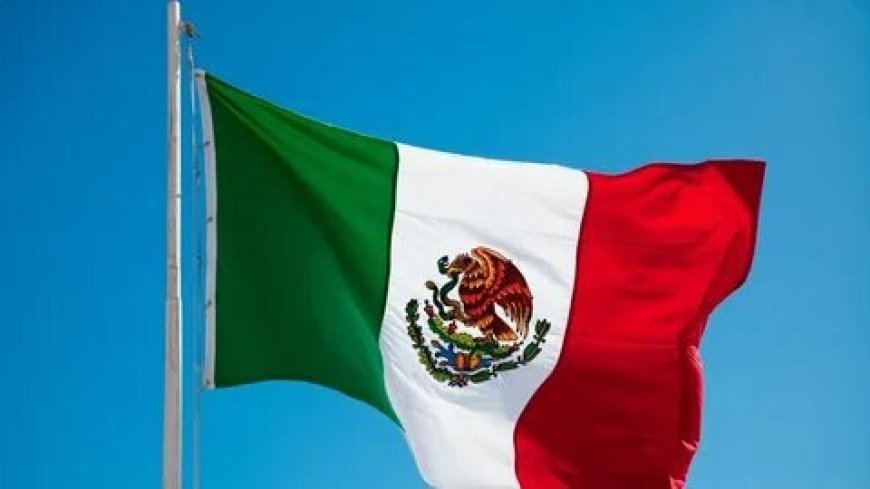
Mexico Flag Day is one of the most important national events that reflects the pride and patriotism of the Mexican people. Celebrated every year on February 24, it honors the creation and evolution of the Mexico flag. This day strengthens national identity and unites people in celebrating the countrys history, culture, and freedom.
The Mexico flag carries deep symbolic meaning. It represents the struggles, victories, and values of the Mexican nation. On Flag Day, citizens pay tribute to this powerful emblem through official ceremonies, school activities, military displays, and community celebrations.
Why February 24 Is Celebrated as Mexico Flag Day
The Mexican government officially recognized Flag Day on February 24, 1937. The date marks the anniversary of the first national flag adopted in 1821 by the Army of the Three Guarantees. This army played a vital role in gaining independence from Spanish rule.
The three-color design was based on the ideals of religion, independence, and unity. Over time, the design evolved into the current version, which includes the national coat of arms in the center, a symbol taken from Aztec legend.
Flag Day is not just a national remembrance but also a reminder of the journey of independence and the foundation of Mexicos sovereignty.
The Meaning Behind the Mexico Flag Colors and Symbols
Each color on the Mexico flag carries strong meaning:
-
Green stands for hope and prosperity.
-
White symbolizes peace and purity.
-
Red honors the blood of national heroes.
At the center of the flag, the coat of arms shows an eagle perched on a cactus while holding a snake in its beak. This image comes from an ancient Aztec myth. According to legend, the gods told the Aztecs to build their city where they saw this exact scene. That city became Tenochtitln, now known as Mexico City.
The flag is more than just a piece of cloth; it represents deep historical roots and national pride.
How Schools Celebrate Mexico Flag Day
Educational institutions across Mexico take an active role in Flag Day observances. Students learn the history of the Mexico flag and participate in creative activities that help them understand its importance.
Common school activities include:
-
Flag-raising ceremonies
-
Reciting the Pledge of Allegiance
-
Singing the national anthem
-
Marching in school parades
-
Crafting flag replicas with colored paper
Teachers often prepare lessons that explain the story behind the flags colors and symbols. These efforts help shape patriotic values in young minds and preserve the nations heritage.
National Ceremonies and Military Tributes
Official celebrations take place across Mexico, especially in public squares and military zones. Government representatives, military officials, and civilians come together to pay tribute to the national flag.
Some key highlights of national ceremonies include:
-
Large-scale flag hoisting
-
Military parades and salutes
-
Cultural performances
-
Fireworks and national music
-
Speeches by local leaders and historians
At the famous Campo Marte in Mexico City, a giant flag-raising ceremony often draws thousands. Members of the Mexican Army and Navy play a vital role in these displays of respect and discipline.
Community Celebrations and Local Festivities
While official observances take center stage, communities across Mexico also hold smaller, heartfelt celebrations. Local events often reflect regional traditions and folk culture.
Some ways communities celebrate include:
-
Traditional dances and music
-
Flag-making competitions
-
Public displays of the Mexico flag
-
Storytelling sessions about national heroes
-
Themed fairs and school exhibitions
People also wear clothing that features the colors of the flag. In rural areas, groups gather to honor elders who have shared stories about Mexicos independence and patriotic symbols.
Flag Etiquette and Respect on Mexico Flag Day
Respect for the Mexico flag is deeply rooted in cultural values. On Flag Day, both public and private institutions follow strict flag etiquette.
Key practices include:
-
Ensuring the flag is clean and undamaged
-
Hoisting the flag from sunrise to sunset
-
Standing still and silent during the national anthem
-
Avoiding placing other objects on or over the flag
-
Folding the flag properly after use
Citizens are encouraged to learn the flag code and apply it throughout the year, especially on national holidays. Displaying the flag with honor shows unity and shared national pride.
Changes in the Mexico Flag Over Time
The Mexico flag has gone through several changes, each reflecting shifts in the nations political and cultural history. Here is a short overview of its evolution:
First National Flag (1821)
-
Adopted by the Army of the Three Guarantees
-
Included red, white, and green with diagonal stripes
Second National Flag (1823)
-
Introduced after the establishment of the Republic
-
Displayed the eagle without a crown
Third Flag (18641867)
-
Used during the reign of Emperor Maximilian
-
Featured a different coat of arms with European influence
Current Flag (adopted in 1968)
-
Reconfirmed the design with the eagle, cactus, and snake
-
Officially declared by President Gustavo Daz Ordaz
This historical journey explains why the current flag holds such importance. Each version reflects a chapter in Mexicos path to freedom and democracy.
Mexico Flag Day and Civic Identity
Flag Day is more than a symbolic event; it strengthens national identity. By taking part in the observance, people feel a deeper connection to their roots. It builds a sense of unity and shared responsibility for preserving history.
The Mexico flag is proudly displayed not only in government buildings but also in homes, schools, and business establishments. This broad participation reflects the nations collective love and loyalty.
Mexican citizens and the global Mexican community come together to honor this shared heritage. Flag Day also allows people to educate others about the struggles and successes that built modern Mexico.
Global Recognition and Diaspora Celebrations
Mexicans living abroad also celebrate Flag Day with pride. Communities in the United States, Canada, and Europe organize cultural programs that reflect Mexican traditions.
These programs often include:
-
Flag hoisting ceremonies
-
Cultural exhibitions
-
Cooking traditional Mexican dishes
-
Dance and music performances
-
Presentations about the history of the Mexico flag
These events help Mexican immigrants and their children stay connected to their heritage. They also promote cultural understanding among other communities.
Creative Ways to Celebrate Mexico Flag Day
If you want to join the celebration of Flag Day, here are some creative and respectful ideas:
-
Make your own mini Mexico flag with recycled materials
-
Teach kids about the meaning of each color and symbol
-
Visit museums with exhibitions on Mexican history
-
Watch documentaries about the countrys independence
-
Post respectful tributes to the flag on social media
-
Decorate your space with the national colors
Celebrating the day in simple yet meaningful ways helps keep its spirit alive. Whether you live in Mexico or abroad, showing respect for the flag adds value to the observance.
Final Thoughts on Honoring Mexico Flag Day
Mexico Flag Day stands as a proud reminder of the countrys journey toward independence, unity, and peace. The flags colors and symbols tell a story of strength, hope, and national pride.
Celebrating this day through educational, official, and cultural events allows everyone to participate in preserving the legacy of the Mexico flag. As generations learn and share this story, the flag continues to inspire love for the nation and its history.
Through respectful actions and informed celebrations, citizens and communities can carry the meaning of Mexico Flag Day far beyond just one day of the year.