

























Maternity Exhibition: A Celebration of Motherhood in Art and Culture
Explore the transformative power of motherhood through the lens of art and culture in our 900-word article on Maternity Exhibitions. Discover how these global events celebrate pregnancy, childbirth, and parenting with diverse artworks, from classical paintings to modern photography. Learn about their societal impact, key elements, and notable examples, while uncovering SEO strategies to promote these inspiring showcases. Perfect for art enthusiasts, expectant parents, and advocates of maternal health.
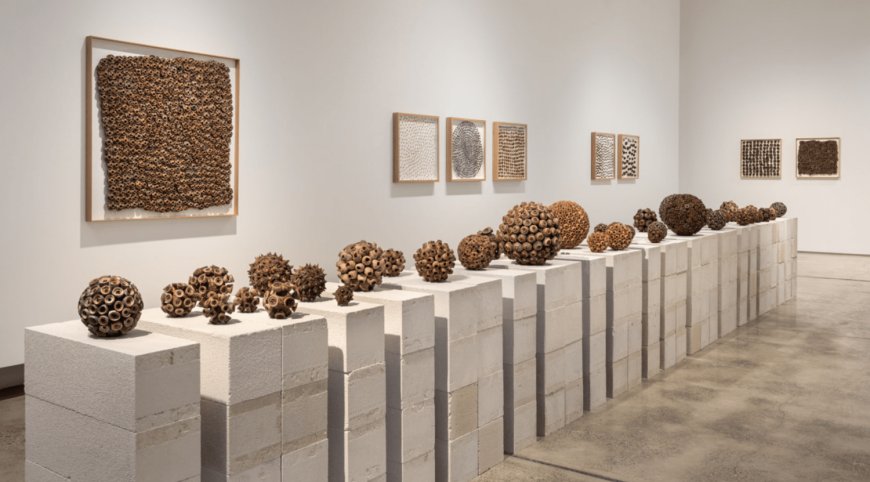
The Maternity Exhibition stands as a profound celebration of motherhood, weaving together art, culture, and the transformative journey of pregnancy and childbirth. These exhibitions, hosted globally in galleries, museums, and community spaces, shine a spotlight on the beauty, strength, and complexity of the maternal experience. By showcasing works from artists, photographers, and designers, maternity exhibitions offer a platform to explore themes of creation, nurturing, and identity through diverse perspectives.
The Essence of Maternity Exhibitions
Maternity exhibitions are curated to honor the multifaceted nature of motherhood. From classical paintings depicting tender moments between mother and child to contemporary installations exploring the challenges of modern parenting, these events capture the universal essence of maternity. Artists often draw inspiration from personal experiences, cultural traditions, or societal shifts, creating pieces that evoke emotion and spark dialogue. For instance, a photography series might showcase the raw beauty of pregnancy, while a sculpture could symbolize the strength required to balance motherhood with personal aspirations.
These exhibitions also serve as a cultural archive, preserving stories of motherhood across generations. By featuring works from different eras and regions, they highlight how societal views on maternity have evolved. In some cultures, motherhood is revered as a divine act of creation, while in others, its a journey marked by resilience amid systemic challenges. Maternity exhibitions bridge these narratives, fostering a deeper understanding of the shared human experience.
Why Maternity Exhibitions Matter
Maternity exhibitions hold immense value for both individuals and communities. For expecting mothers, these events offer a sense of connection and validation. Seeing their experiences reflected in art can be empowering, helping them navigate the emotional and physical changes of pregnancy. For families, these exhibitions provide an opportunity to celebrate the role of mothers and reflect on their contributions to society.
From a societal perspective, maternity exhibitions challenge stereotypes and amplify underrepresented voices. Historically, motherhood has been idealized in art, often portraying mothers as selfless caregivers. Modern exhibitions, however, embrace more nuanced depictions, exploring themes like postpartum struggles, single parenting, and the intersection of motherhood with career ambitions. By showcasing diverse stories, these exhibitions encourage empathy and inclusivity.
Moreover, maternity exhibitions contribute to advocacy efforts. Many events partner with organizations to raise awareness about maternal health, breastfeeding, or parental leave policies. For example, a maternity exhibition might include informational booths or panel discussions, turning art into a catalyst for social change. This blend of creativity and activism makes these exhibitions powerful platforms for education and empowerment.
Key Elements of a Maternity Exhibition
A successful maternity exhibition is carefully curated to engage its audience. Here are some common elements that define these events:
-
Diverse Art Forms: Exhibitions often feature a mix of paintings, sculptures, photography, textiles, and digital media. This variety ensures that different aspects of motherhood are explored through multiple lenses.
-
Interactive Installations: Many exhibitions include interactive elements, such as writing walls where visitors can share their own stories of motherhood or workshops where attendees create art inspired by the theme.
-
Cultural Representation: Curators strive to include works from artists of various backgrounds to reflect the global nature of maternity. This might involve showcasing traditional textiles from Africa alongside modern photography from Europe.
-
Educational Components: Panels, talks, or guided tours often accompany exhibitions, offering insights into the artworks and their broader context. These sessions might cover topics like maternal mental health or the history of midwifery.
-
Community Engagement: Maternity exhibitions frequently collaborate with local communities, inviting expectant mothers, midwives, or doulas to contribute to the event. This fosters a sense of ownership and connection.
Notable Maternity Exhibitions Around the World
Several maternity exhibitions have gained recognition for their innovative approaches and impactful storytelling. For instance, the Motherhood: A Journey exhibition in London featured works by emerging female artists, focusing on the emotional spectrum of pregnancy. The event included a virtual reality installation that allowed visitors to experience a day in the life of a new mother, earning praise for its immersive storytelling.
In New York, the Maternal Instincts exhibition at a prominent gallery showcased photography from around the world, capturing the diversity of childbirth practices. From home births in rural communities to high-tech hospital deliveries, the images highlighted the universal bond between mother and child. The exhibition also raised funds for maternal health initiatives in underserved regions.
In Australia, a traveling maternity exhibition titled Bump & Beyond combined art with science, featuring anatomical models alongside paintings of pregnant figures. The event aimed to educate visitors about the biology of pregnancy while celebrating its artistic representation. Such exhibitions demonstrate the versatility of the maternity theme, blending creativity with education.
The Role of Photography in Maternity Exhibitions
Photography plays a pivotal role in maternity exhibitions, capturing moments of vulnerability and strength. Maternity photography, in particular, has surged in popularity, with expectant mothers seeking professional shoots to document their pregnancies. These images often find their way into exhibitions, showcasing the beauty of the pregnant form.
Photographers like Lisa Holloway and Anne Geddes have elevated maternity photography to an art form, with their works featured in exhibitions worldwide. Their images, often soft and ethereal, celebrate the glow of pregnancy while challenging outdated notions of modesty. By displaying such photographs, maternity exhibitions encourage body positivity and self-love among expectant mothers.
SEO Strategies for Promoting Maternity Exhibitions
To maximize reach, organizers of maternity exhibitions must leverage search engine optimization (SEO). Here are some strategies to ensure visibility:
-
Keyword Optimization: Incorporate relevant keywords like maternity exhibition, motherhood art, and pregnancy photography in website content, meta descriptions, and image alt text.
-
Blog Content: Publish blog posts about the exhibitions artists, themes, or events. For example, a post titled Top 5 Reasons to Visit a Maternity Exhibition can attract organic traffic.
-
Local SEO: Include location-based keywords (e.g., maternity exhibition London) to target nearby audiences. Claiming a Google My Business profile also boosts local visibility.
-
Social Media Integration: Share exhibition highlights on platforms like Instagram, using hashtags like #MaternityExhibition or #MotherhoodArt to engage a broader audience.
-
Backlinks: Partner with parenting blogs or art websites to generate backlinks, improving the exhibitions search engine ranking.
By implementing these strategies, organizers can ensure their maternity exhibition reaches art lovers, expectant parents, and advocates alike.
The Future of Maternity Exhibitions
As society evolves, so do maternity exhibitions. Future events are likely to embrace technology, with virtual tours and augmented reality enhancing accessibility. These innovations allow global audiences to experience exhibitions from home, democratizing access to art.
Additionally, theres a growing emphasis on inclusivity. Upcoming exhibitions may focus on non-traditional family structures, such as adoptive or same-sex parents, reflecting the diversity of modern motherhood. Environmental themes could also emerge, with artists exploring the connection between nurturing a child and caring for the planet.
Conclusion
Maternity exhibitions are more than just art displays; they are celebrations of life, resilience, and creativity. By showcasing the beauty and challenges of motherhood, these events foster connection, empathy, and advocacy. Whether through a striking photograph, a thought-provoking sculpture, or an interactive workshop, maternity exhibitions leave a lasting impact on visitors. As they continue to evolve, these exhibitions will remain vital spaces for honoring the maternal journey and inspiring future generations. For anyone seeking to explore the artistry of motherhood, attending a maternity exhibition is an enriching experience that resonates long after the event concludes.