
























Why Inclusion Matters In Peace Building Efforts
Explore why inclusion is essential in peacebuilding efforts, and how diverse voices strengthen peace and reconciliation efforts for lasting, meaningful impact.

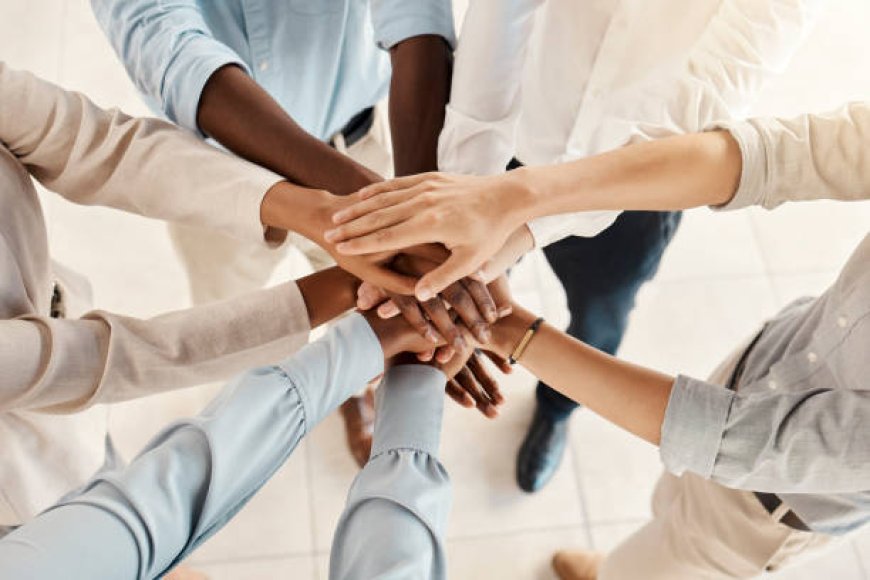
In the face of global conflict and rising polarization, inclusive peacebuilding efforts have become more essential than ever. Building lasting peace cannot succeed if entire communities, identities, or voices are left behind. Inclusion ensures that the solutions to conflict are informed by those most affected by it, making peace not only possible but sustainable. Whether addressing political violence, ethnic divisions, or community tensions, inclusive processes help build trust, restore dignity, and prevent the recurrence of violence. Peacebuilding efforts that prioritize inclusion create environments where justice, equity, and mutual respect become the foundation for long term stability.
Risks of Exclusion in Conflict Resolution
Excluding certain groups from peacebuilding efforts has historically led to failed or fragile peace processes. When the perspectives of women, minorities, youth, and marginalized communities are ignored, peace agreements lack legitimacy and depth. These exclusions often reinforce the very power imbalances and grievances that sparked the conflict. By including diverse voices, we challenge dominant narratives and uncover root causes that may be hidden or misunderstood. Inclusion brings forward the full spectrum of experience and insight, allowing for creative, realistic, and just solutions. It ensures that no one is left behind in the healing and rebuilding process.
Importance of Inclusive Peace and Reconciliation Efforts
Inclusion is not just about who is present at the table its about how power is shared and decisions are made. Effective peace and reconciliation efforts reflect the needs and aspirations of all groups, not just those in power. When excluded populations are actively involved in shaping the process, reconciliation becomes meaningful and transformative. Inclusion builds ownership of the outcomes and strengthens social cohesion. It also increases the resilience of communities to future conflicts. By embedding inclusive approaches into every stage from negotiation to implementation peacebuilding efforts gain the authenticity and depth required to produce lasting impact.
Gender Inclusion in Peacebuilding
Women often bear the brunt of conflict, yet they remain underrepresented in peacebuilding efforts. Research shows that when women participate, peace agreements are more likely to be reached and to endure. Women bring unique perspectives on community needs, justice, and reconciliation. Their roles as caregivers, organizers, and mediators often position them to build bridges between opposing sides. Gender inclusion also ensures that issues like sexual violence, education, and economic security are addressed. Moving beyond token participation toward genuine leadership and decision making is key. Inclusive peace means recognizing and empowering women as vital agents of change.
Youth as Agents of Inclusive Peace
Young people are frequently portrayed as either victims or perpetrators of conflict, yet they hold tremendous potential as peacebuilders. Youth led organizations have been central to social movements, dialogue forums, and community transformation. Including youth in peacebuilding efforts means investing in long term peace. They bring creativity, digital literacy, and a deep understanding of current realities. Moreover, their inclusion reduces the risk of radicalization by providing meaningful engagement in shaping the future. Creating intergenerational dialogue and supporting youth participation in governance, education, and policy making are essential to inclusive peace. When youth are empowered, they help build peace that lasts.
Ethnic and Religious Inclusion in Divided Societies
Conflicts often arise along ethnic or religious lines, making inclusion in these areas especially vital. When peacebuilding efforts exclude groups based on identity, they perpetuate historical injustices and deepen divides. True peace requires mutual recognition and the dismantling of discriminatory structures. Initiatives that promote interfaith dialogue, cultural exchange, and minority representation in decision making foster healing and solidarity. These efforts help challenge stereotypes, build empathy, and generate shared visions of community life. Inclusion allows every group to see themselves reflected in the peace process, which is necessary for trust building and long term coexistence.
Local Participation in National Peace Agendas
Top down approaches to peace often miss the nuances of local conflict dynamics. Thats why grassroots inclusion is critical. Community leaders, traditional authorities, and local activists understand the needs and histories of their regions better than external actors. Including local perspectives makes peacebuilding efforts more context specific and effective. Local ownership also improves implementation and sustainability. When people feel that their voices shape peace processes, they become more committed to making those outcomes a reality. Bridging the gap between national agendas and local experiences ensures that peace is not just signed on paper but lived and practiced every day.
Inclusive Economic Reconstruction After Conflict
Economic marginalization is both a driver of conflict and a barrier to peace. Inclusive peacebuilding efforts must address economic recovery in ways that benefit all groups especially those previously excluded. This means equitable access to land, jobs, credit, and resources. Post conflict economies that prioritize only the elite risk reigniting tensions. Inclusive economic planning helps reduce poverty and resentment, empowering communities to rebuild with dignity. Initiatives like community cooperatives, skills training, and support for women owned businesses are effective tools. Economic inclusion transforms recovery into reconciliation, ensuring that peace is paired with opportunity and justice.
Challenges to Inclusion and How to Overcome Them
Despite its importance, inclusion in peacebuilding efforts faces many challenges: political resistance, resource constraints, societal bias, and security concerns. Some fear that inclusive processes are slower or less efficient. However, exclusion creates fragility, while inclusion fosters resilience. Overcoming these barriers requires intentional design, political will, and capacity building. Safe spaces for dialogue, inclusive legal frameworks, and targeted outreach can help marginalized voices participate meaningfully. Inclusion is not a box to be checked it is a process of constant engagement and adaptation. The work may be complex, but it is essential for peace that is real, just, and enduring.
Conclusion
Inclusion is not an optional feature of peace it is its foundation. Without the participation of all affected communities, peacebuilding efforts are incomplete and unstable. Inclusive approaches bring legitimacy, creativity, and durability to every stage of the peace process. They recognize the humanity of every individual and center the voices of those most impacted by violence and inequality. Whether through peace and reconciliation efforts, youth engagement, gender equality, or local empowerment, inclusion deepens the roots of peace. In a world marked by complexity and division, only inclusive peace can offer the unity and healing we all seek