

























Emergency Tree Removal: What to Do When Trees Become a Danger
Emergency tree removal isn’t just about cutting down a tree — it’s about reacting quickly, safely, and smartly when nature throws you a curveball. Whether you’re dealing with a storm-blown pine or a rotting oak leaning toward your home, knowing what to do (and who to call) can save lives and money.
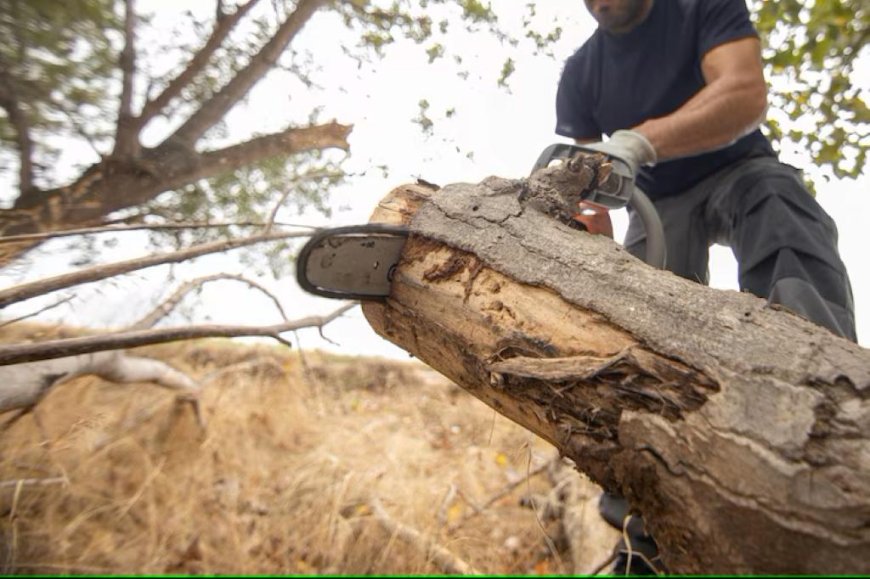
Nature is unpredictable and sometimes, it can turn your peaceful backyard tree into a serious threat. Whether its due to high winds, lightning strikes, or hidden decay, emergency tree removal becomes necessary when a tree poses an immediate danger. This guide will walk you through when, why, and how to handle tree emergencies the right way.
The Urgency of Emergency Tree Removal
Unlike regular tree maintenance, emergency tree removal isnt something you can schedule weeks out. Its about acting fast to protect people, property, and public safety. A fallen or leaning tree isnt just a nuisance it can be life-threatening.
Understanding What Constitutes an Emergency
Not every damaged tree is an emergency, but certain situations require urgent action. If a tree or its limbs threaten structures, roads, or power lines thats an emergency. If it blocks access to your home or has already fallen on something important, dont wait.
Common Reasons for Emergency Tree Removal
Storm Damage
High winds, heavy snow, or ice can snap limbs or topple entire trees, often with no warning.
Fallen Trees Blocking Roads or Driveways
If your tree is obstructing access to your home or public pathways, it needs to be removed immediately.
Trees Leaning Dangerously
A tree that suddenly leans could be uprooting. Thats a major red flag and a reason to call professionals ASAP.
Trees Damaging Property or Utilities
When trees fall on homes, fences, cars, or power lines, quick removal is critical to minimize damage and restore services.
Infected or Decaying Trees at Risk of Collapse
Dead or diseased trees are structurally weak. A strong gust or even their own weight can bring them down.
Signs You Need Emergency Tree Removal
-
Cracks in the trunk or large limbs
-
Roots lifting from the ground
-
Broken branches hanging loosely
-
Tree suddenly leaning more than usual
-
Visible rot or fungus at the base
If you notice any of these signs, its time to act not wait.
Immediate Steps to Take in a Tree Emergency
Ensure Personal Safety First
Before anything else, make sure everyone is safe. Stay away from the tree and potential fall zones.
Contact Emergency Services If Needed
If a tree falls on power lines or blocks a public road, call local authorities or utility companies immediately.
Secure the Area
Use caution tape, cones, or even furniture to mark danger zones and keep people out.
Avoid DIY Removal in Dangerous Conditions
Dont risk your life trying to chainsaw a tree during a storm or if its near power lines. Its not worth it.
Why You Shouldnt Delay Emergency Tree Removal
Prevent Injury or Death
Falling limbs can crush vehicles, damage roofs, or hurt people. Time is not your friend here.
Avoid Further Property Damage
Delaying removal could cause trees to collapse more completely, leading to higher repair costs.
Reduce Liability Risks
If someone gets hurt by a tree on your property that you neglected, you could be legally responsible.
Hiring Emergency Tree Removal Services
What to Look for in a Tree Removal Company
-
24/7 availability
-
Licensed and insured arborists
-
Experience with emergency removals
-
Positive local reviews
Questions to Ask Before Hiring
-
How soon can you be here?
-
Do you have insurance?
-
Whats included in your quote?
Emergency Availability and Response Time
Top companies will respond within hours, sometimes even minutes especially after storms.
Cost of Emergency Tree Removal
Factors That Affect the Cost
-
Tree size and location
-
Accessibility
-
Level of risk and urgency
-
Equipment required
Insurance Coverage for Emergency Tree Removal
Many homeowners policies cover tree removal if the tree caused damage to a covered structure like your roof or fence.
Typical Price Ranges
-
Minor emergencies: $250$600
-
Larger or complex jobs: $800$2,500+
-
Storm cleanup with multiple trees: $3,000+
How to Prepare for Future Tree Emergencies
Regular Tree Inspections
Have a certified arborist check for disease, decay, and structural issues annually.
Proactive Tree Pruning
Removing weak or dead branches in advance can prevent many emergencies.
Removing Hazardous Trees in Advance
If a tree is in bad shape or in a high-risk location, dont wait for nature to decide its fate.
The Role of Insurance in Tree Emergencies
When Homeowners Insurance Covers Removal
Usually, if the tree damages your home, garage, fence, or other insured structures.
Whats Typically Not Covered
-
Tree falls in your yard without damaging anything
-
Tree was dead or diseased and neglected
Filing a Claim the Right Way
-
Take photos before cleanup
-
Call your insurer ASAP
-
Keep all receipts from tree services
DIY Tree Removal: When Its Okay and When Its Not
Small, Low-Risk Situations
If the tree is small, already down, and not near structures or wires, you might handle it yourself.
Dangers of Removing Large Trees Alone
Chainsaws, ladders, and unpredictably falling limbs = a recipe for disaster. Dont risk it.
Legal and Safety Concerns
Some cities require permits even for emergency work. Check local laws before cutting.
How Professionals Handle Emergency Removals
Tree Risk Assessment
They evaluate which parts are unstable, where the tree might fall next, and how to remove it safely.
Use of Specialized Equipment
Cranes, rigging systems, and aerial lifts make safe removals possible in tough conditions.
Safe Removal Techniques
Pros dismantle trees in stages, using ropes to control falling limbs and avoid further damage.
Environmental and Legal Considerations
Protected Tree Regulations
Some trees are legally protected, even in emergencies. You may need retroactive approval.
Disposal of Fallen or Damaged Trees
Professional services usually include cleanup and disposal often chipped into mulch.
City or HOA Approval in Emergencies
If you live in a regulated community, alert your HOA or city before doing major work.
Conclusion
Emergency tree removal isnt just about cutting down a tree its about reacting quickly, safely, and smartly when nature throws you a curveball. Whether youre dealing with a storm-blown pine or a rotting oak leaning toward your home, knowing what to do (and who to call) can save lives and money.
FAQs
1. What qualifies as an emergency tree removal?
Any tree that poses an immediate threat to people, property, or public safety.
2. Will insurance cover emergency tree removal?
Usually, if the tree causes damage to insured structures like homes, fences, or garages.
3. Can I remove a fallen tree myself?
Only if it's small, safe to access, and not near power lines or buildings.
4. How fast can an emergency tree service respond?
Many operate 24/7 and can respond within hours, especially after severe weather.
5. What if a neighbors tree falls on my property?
If the fall was due to natural causes (like a storm), your own insurance typically covers the damage.