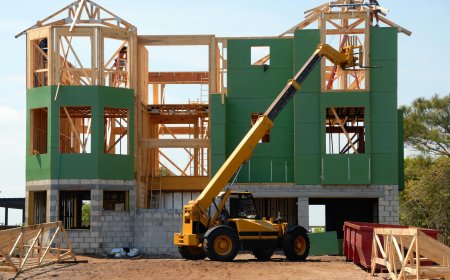


























Differences Between Residential and Commercial Real Estate
Understand the key differences between residential and commercial real estate, from property usage and financing to risk levels and investment returns.


Real estate is a broad field that encompasses various property types, each with its own set of characteristics, rules, and investment considerations. The two main categories in this field are residential and commercial real estate. While both involve property ownership, their purposes, risks, returns, and operational approaches differ significantly.
This blog explores the major differences between residential and commercial real estate to help buyers, investors, and aspiring landlords make informed decisions.
What Is Residential Real Estate?
Residential real estate refers to properties designed for individuals or families to live in. These include single-family homes, condominiums, townhouses, duplexes, and apartments. These properties are typically bought or rented for personal use, making them highly familiar to most people.
Common Types of Residential Properties:
-
Single-family houses
-
Multi-family homes (duplexes, triplexes)
-
Condominiums
-
Rental apartments
What Is Commercial Real Estate?
Commercial real estate, on the other hand, is property used strictly for business purposes. This includes office buildings, retail spaces, warehouses, hotels, and industrial facilities. These properties are generally leased to companies or organizations that generate income through commercial activities.
Common Types of Commercial Properties:
-
Office buildings
-
Shopping centers
-
Warehouses
-
Hotels and resorts
-
Industrial parks
Purpose and Use
The most fundamental difference lies in purpose. Residential properties are meant for living, while commercial properties are used for profit-driven activities.
For example:
-
A family living in a condo uses it as a home (residential use).
-
A retail company renting a shop in a mall is using it to run a business (commercial use).
This difference in purpose influences everything from how the property is managed to the types of tenants it attracts.
Investment Returns and Profitability
When it comes to investment returns, commercial real estate typically has the edge, offering higher rental income potential and longer lease terms. Commercial leases often run from 3 to 10 years, creating more predictable cash flow.
However, residential properties can also be profitableespecially in urban areas where housing demand is high. Residential leases are shorter (usually 6 to 12 months), which may allow for frequent rent adjustments but can also mean higher tenant turnover.
Summary:
-
Commercial: Higher returns, stable income, long-term leases
-
Residential: Moderate returns, shorter leases, more frequent tenant change
Financing and Loan Structures
Financing options also differ considerably. Residential property buyers often qualify for home loans with lower interest rates, government backing, and less stringent eligibility criteria.
Commercial real estate financing usually involves:
-
Higher interest rates
-
Larger down payments
-
Shorter loan terms
-
Detailed scrutiny of income potential and property performance
This makes residential real estate more accessible to first-time investors, while commercial investments usually attract seasoned or institutional investors.
Risk and Market Sensitivity
Risk levels vary between the two sectors. Residential real estate is generally considered less risky because shelter is a basic human need, and housing demand remains relatively constant.
Commercial properties are more sensitive to economic cycles. In a downturn, businesses may close, downsize, or relocateleaving spaces vacant and cutting into rental income. In contrast, people still need homes during slow economic periods, making residential investments more resilient.
Management and Maintenance
Another big distinction is how the two types of properties are managed.
Residential properties:
-
Typically involve direct dealings with tenants
-
May require frequent tenant screening and maintenance requests
-
Are often managed by individual landlords or small agencies
Commercial properties:
-
Are usually managed by professional firms
-
Require oversight of larger facilities and utility systems
-
Involve more complex legal agreements and maintenance protocols
Overall, commercial real estate tends to be more management-intensive but may benefit from fewer tenant-related issues compared to residential rentals.
Tenant Expectations and Relationships
Residential tenants are individuals or families, and relationships are often personal. Rent, repairs, and renewals usually involve direct interaction.
In commercial real estate, tenants are businesses. Leases are often more formal, legally detailed, and focused on the profitability of both parties. Commercial tenants may also take responsibility for aspects like property taxes, insurance, and maintenance under certain lease types.
Legal and Zoning Regulations
Zoning laws clearly separate residential and commercial zones. Residential properties must meet regulations focused on safety, livability, and community harmony.
Commercial properties must comply with laws tailored to:
-
Business operations
-
Accessibility standards
-
Fire and safety codes
-
Environmental impact regulations
Violating zoning rules can lead to fines or property ineligibility for certain uses, so understanding these differences is essential.
Who Should Invest in Which?
The choice between residential and commercial real estate depends on your investment goals, risk appetite, and level of experience.
Residential real estate may be ideal for:
-
First-time investors
-
Those seeking manageable, entry-level opportunities
-
Buyers interested in long-term capital appreciation
Commercial real estate may suit:
-
Experienced investors
-
Those looking for higher income potential
-
Individuals or entities capable of managing larger assets
Final Thoughts
While both residential and commercial real estate offer unique benefits, they also come with different challenges. Understanding these differences can help investors choose the right path based on their goals, financial capacity, and willingness to handle risk and complexity.
Making the right decision starts with clear informationand now youre one step closer to making a smart, informed choice.
Important Links
Meet the Visionaries Behind the Project: Dunearn Road Condo Developer
Your Complete Guide to Dunearn Road Condo Project Details
Unveiling the Prime Appeal of the Dunearn Road Condo Location
Discover the Charm of Dunearn Road New Condo
Dunearn Road Condo Pricing: A Strategic Investment in Prime District 11
Dunearn Road Condo Project Details
Dunearn Road Condo Floor Plans
Dunearn Road Condo Floor Plans