

























Detailed Overview of Purpose-Built Bicycles for Varied Riding Styles in the USA
An informative breakdown of design, performance, and use-case differences between leading bicycle types in the USA, focusing on the scott speedster 30, cannondale scalpel 2, and merida big nine xt, with technical insights and component analysis.

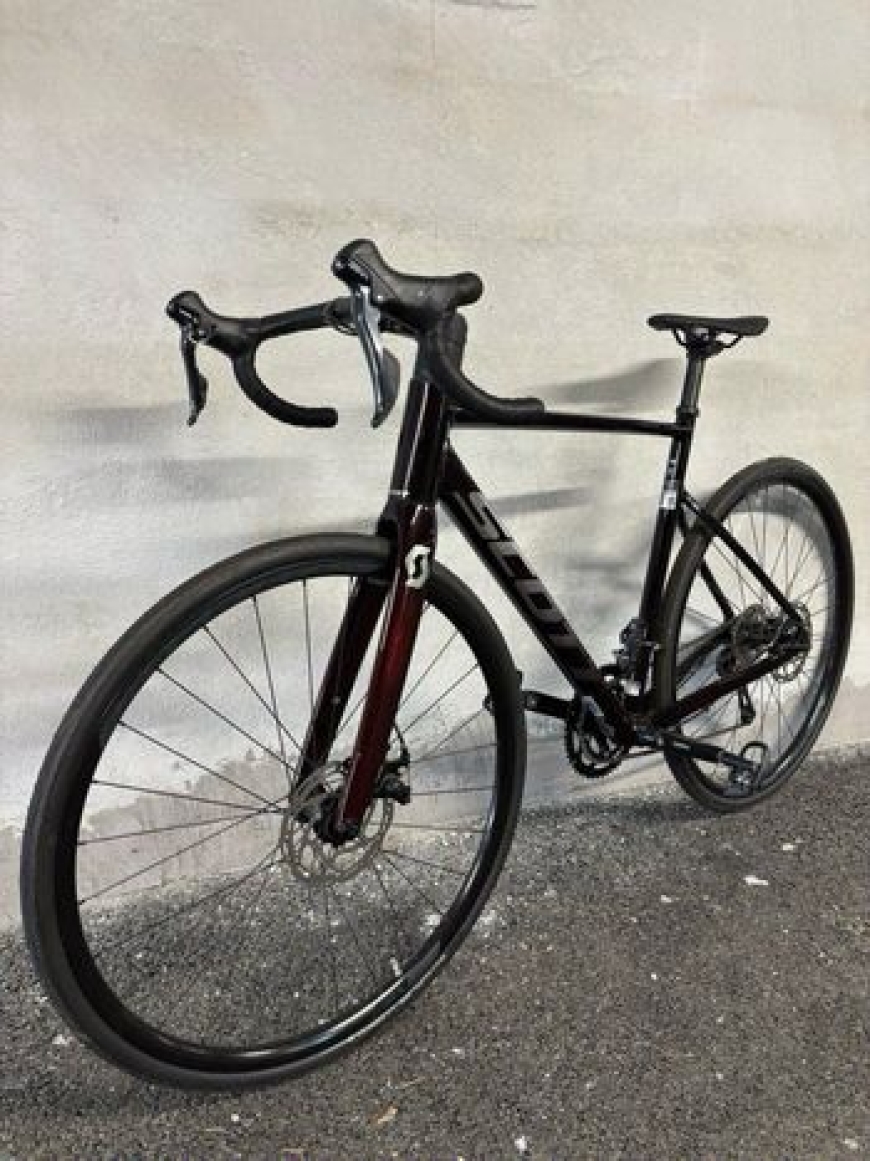
In the USA, cyclists continue to demand high-performance machines for both competitive and recreational use, with models such as the scott speedster 30 reflecting the evolution of road bike design. Built with a focus on aerodynamic efficiency and long-distance comfort, this category of bicycles serves those who prioritize smooth rides on paved surfaces. Frame geometry, drivetrain options, and material construction all contribute to the performance profile of bikes intended for road use.
Contemporary road bicycles are shaped by engineering principles that support stability at high speed, minimal rolling resistance, and efficient power transfer. Frame stiffness and weight play a central role, especially when riders face elevation changes or require responsive acceleration. These bikes often come with drop handlebars to allow multiple grip positions and encourage a streamlined posture over longer distances.
Key Technical Features Riders Should Consider
-
Frame Geometry and Fit:
-
Compact designs offer agile cornering and fast response, ideal for racing or group rides.
-
Endurance-oriented geometry promotes upright posture and reduces fatigue on long routes.
-
-
Material Choices and Durability:
-
Carbon fiber provides an optimal balance of strength and lightweight handling while dampening road vibrations.
-
Aluminum frames are known for being cost-effective and durable, suitable for daily or occasional use.
-
-
Component Systems and Control:
-
Drivetrains may feature electronic shifting, offering precise gear changes and low maintenance over time.
-
Disc brakes allow better modulation and stopping power, especially in wet or steep conditions.
-
Design Elements in Off-Road Focused Bicycles
Off-road riding introduces a new set of requirements. Instead of aerodynamics and speed, trail bikes are designed for control, traction, and shock absorption. Lightweight full-suspension bikes such as the cannondale scalpel 2 are tailored for cross-country terrain, where uphill efficiency and downhill stability are equally important.
These bikes feature geometry optimized for rough surfaces, often with slack head angles for better control during descents. Wider handlebars and grippy tires help riders navigate through technical obstacles. Dropper seat posts enable quick adjustments on varying terrain, while tubeless tire setups improve grip and reduce flats. Suspension travel varies by design, typically between 100mm to 130mm for cross-country setups.
-
Handling and Control Systems:
-
Longer wheelbases increase control over loose or rocky trails.
-
Suspension tuning allows riders to adjust for weight, terrain, and ride feel.
-
-
Wheel and Tire Configurations:
-
Wider rims accommodate broader tires, providing more contact and stability.
-
Tire tread patterns are selected to match surface typemud, gravel, or hardpack.
-
In choosing a bicycle, riders must consider their primary terrain, riding habits, and long-term goals. Road models are built for speed and efficiency, while trail-oriented designs offer safety and control over challenging surfaces. Component compatibility, frame type, and maintenance needs should all be part of the selection process.
For riders seeking a dependable hardtail mountain bike with performance components suited to off-road conditions, the merida big nine xt offers features aligned with those needs.