


























Residential Construction Estimating: Precision for Successful Home Building
Residential construction estimating is a critical process that ensures home building projects are completed on time, within budget, and to client expectations. This practice involves calculating the costs of materials, labor, equipment, and overhead for residential projects, from single-family homes to multi-unit developments. By delivering accurate construction cost estimates and quantity takeoffs, these services help contractors minimize waste, avoid delays, and submit competitive bids. This article explores the importance of residential construction estimating, its processes, benefits, and the role of technology in streamlining home construction.

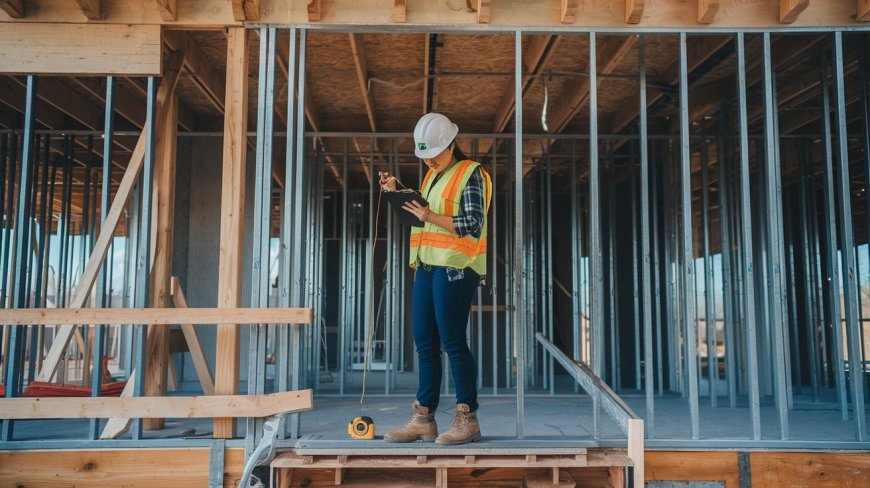
is a critical process that ensures home building projects are completed on time, within budget, and to client expectations. This practice involves calculating the costs of materials, labor, equipment, and overhead for residential projects, from single-family homes to multi-unit developments. By delivering accurate construction cost estimates and quantity takeoffs, these services help contractors minimize waste, avoid delays, and submit competitive bids. This article explores the importance of residential construction estimating, its processes, benefits, and the role of technology in streamlining home construction.
What Is Residential Construction Estimating?
Residential construction estimating entails forecasting the total cost of building homes, including materials like lumber, drywall, flooring, and roofing, as well as labor, permits, and indirect costs such as overhead and profit margins. Unlike commercial estimating, residential projects typically involve smaller scales but require attention to customized designs, client preferences, and local building codes. The process demands expertise in interpreting blueprints and understanding construction techniques for homes.
The primary goal is to produce a detailed construction cost estimate, including a quantity takeoff that specifies material quantities and types, and a cost breakdown for labor and other expenses. Professional construction estimators ensure precision, helping contractors avoid overbidding, which may lose contracts, or underbidding, which risks profitability.
Why Residential Construction Estimating Matters
Residential projects involve significant investments for homeowners and developers, making accurate estimating essential to avoid financial strain or delays. Errors can lead to budget overruns, material shortages, or dissatisfied clients. Heres why residential construction estimating is vital:
-
Budget Control: Overestimating inflates costs, deterring clients, while underestimating causes overruns. Precise construction cost estimates keep projects financially viable.
-
Waste Reduction: Accurate quantity takeoffs minimize excess material, supporting sustainable construction and reducing disposal costs.
-
Time Efficiency: Detailed estimates ensure timely material procurement, preventing delays due to shortages and keeping projects on schedule.
-
Competitive Bidding: Reliable estimates allow contractors to submit competitive bids, increasing win rates while maintaining profitability.
-
Client Trust: Transparent, accurate estimates build confidence, reducing disputes and fostering strong client relationships.
The Residential Construction Estimating Process
The construction estimating process is methodical, requiring expertise and precision. Key steps include:
-
Plan Review: Estimators analyze architectural and structural drawings to identify requirements for foundations, framing, roofing, and finishes like drywall estimating or flooring estimating.
-
Quantity Takeoff: Materials such as lumber, drywall, shingles, and flooring are quantified. For example, lumber is measured in board feet, while flooring is calculated in square feet.
-
Labor Estimation: Labor costs are determined based on tasks like framing, drywall installation, or tile laying, factoring in crew sizes and hours.
-
Equipment and Overhead: Costs for equipment rentals (e.g., nail guns, scaffolding) and indirect expenses like permits and insurance are included.
-
Waste and Contingency: A waste factor (5-10%) accounts for material losses, and a contingency (5-10%) covers unforeseen issues.
-
Cost Analysis: Using market rates, estimators provide a construction cost estimate, often in Excel or PDF, detailing material, labor, and overhead costs.
-
Quality Check: Estimates are verified against plans and codes to ensure accuracy.
This process is organized by project phases (e.g., foundation, framing, interiors), aligning with construction workflows.
Technologys Role in Residential Construction Estimating
Technology has transformed residential construction estimating, improving speed and accuracy. Construction estimating software like PlanSwift, Bluebeam Revu, and ProEst enables digital takeoffs, reducing manual errors. Estimators upload blueprints, measure quantities, and generate quantity takeoffs quickly.
AI-powered tools, such as Togal.AI or Esticom, automate calculations, completing takeoffs in minutes. These platforms integrate with supplier databases for real-time pricing, addressing material cost fluctuations. Building Information Modeling (BIM) tools like Revit enhance accuracy by visualizing designs in 3D. Cloud-based collaboration allows estimators, contractors, and clients to share estimates instantly, improving coordination.
Benefits of Outsourcing Residential Construction Estimating
Outsourcing residential construction estimating to specialized firms offers significant advantages:
-
Expertise: Professional construction estimators understand residential requirements, codes, and materials like those used in lumber takeoff services, ensuring compliance.
-
Time Savings: Outsourcing frees contractors to focus on bidding and project management, with estimates delivered in 24-48 hours.
-
Cost Efficiency: In-house estimating involves salaries and software costs. Outsourcing provides expert services at a project-based cost.
-
Accuracy: Certified estimators use advanced tools to deliver precise quantity takeoffs, minimizing errors and boosting bid success.
-
Scalability: Outsourcing firms handle projects from small renovations to multi-unit developments, tailoring services to needs.
Choosing a Residential Construction Estimating Service Provider
Selecting a reliable construction estimating service provider is crucial. Consider these factors:
-
Experience: Choose a provider with expertise in residential projects, such as custom homes or townhouses.
-
Technology: Ensure they use modern construction estimating software and BIM tools.
-
Customization: Look for tailored services, like drywall estimating or flooring estimating.
-
Turnaround Time: Select firms with fast delivery and responsive support.
-
Reputation: Review testimonials and bid success rates (e.g., 95% win-bid ratio).
Challenges in Residential Construction Estimating
Residential construction estimating faces challenges, including:
-
Price Volatility: Fluctuating costs for materials like lumber or flooring require real-time updates.
-
Custom Designs: Unique client preferences, such as custom cabinetry, increase complexity.
-
Incomplete Plans: Unclear blueprints can lead to inaccuracies, requiring thorough analysis.
Professional estimators address these with expertise, technology, and collaboration.
The Estimating Process for Residential Projects
The construction estimating process for residential projects involves:
-
Blueprint Analysis: Review plans to identify requirements for framing, roofing, and finishes.
-
Quantity Takeoff: Quantify materials like lumber, drywall, and flooring, integrating lumber takeoff services or drywall estimating.
-
Labor Estimation: Calculate labor for tasks like framing or tile installation.
-
Cost Analysis: Provide a construction cost estimate using market rates.
-
Quality Assurance: Verify estimates against plans and codes.
Conclusion
Residential construction estimating is essential for delivering cost-effective, timely, and high-quality home projects. Accurate construction cost estimates and quantity takeoffs help contractors manage budgets, reduce waste, and win bids. Construction estimating software, AI tools, and BIM have made estimating faster and more precise. Partnering with a professional construction estimating service provider ensures success for projects from single homes to multi-unit developments. Outsourcing residential construction estimating is a strategic choice for contractors aiming to optimize operations and enhance profitability.